2-Year Treasury Yield Surges After Fed Holds Rates Steady
Treasury yields jumped Wednesday as Fed officials signaled a potential rate hike could still come this year despite holding steady.
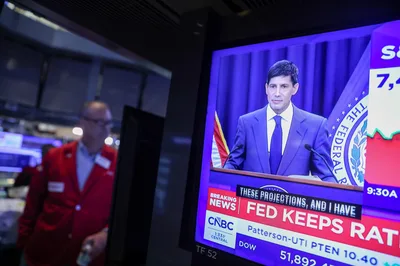
The bond market got a wake-up call Wednesday. The 2-year Treasury yield rocketed higher after the Federal Reserve held interest rates steady — but made clear that a hike could still land before year-end. When yields move like this, traders pay attention.
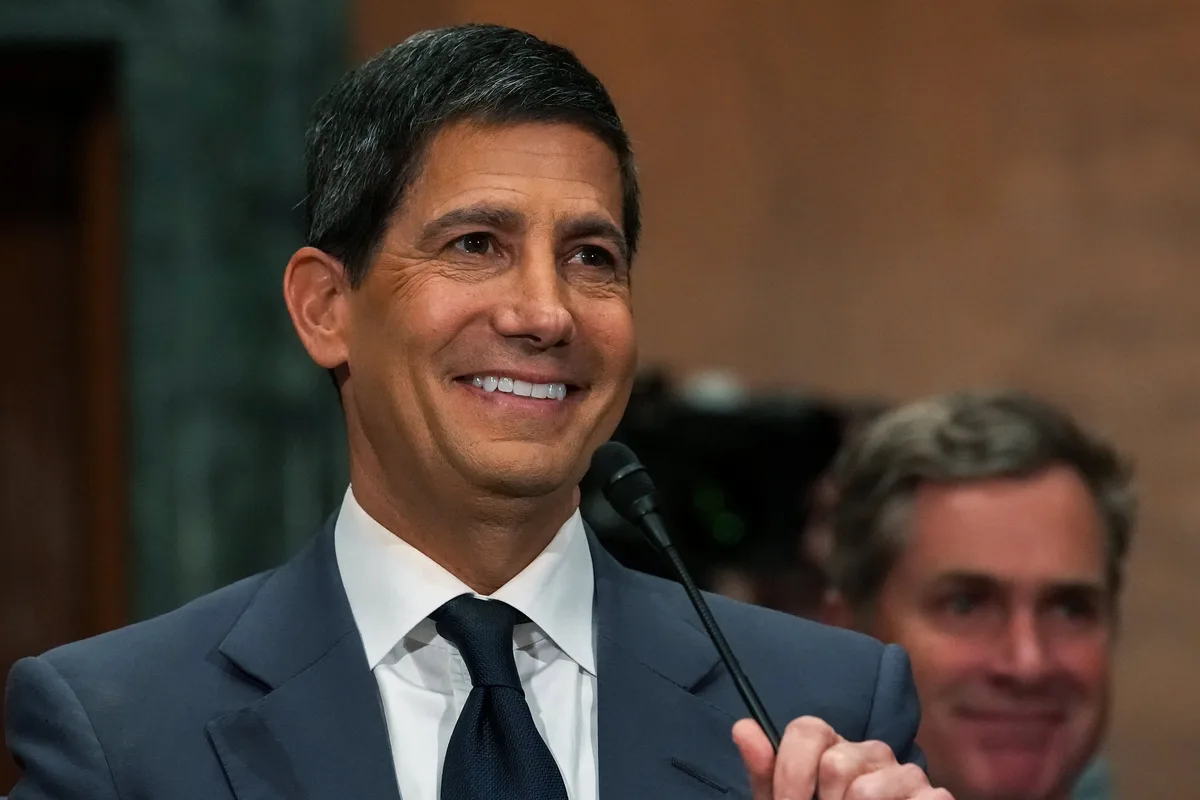
This was Kevin Warsh's first policy meeting as Fed chair, and he didn't come in soft. Multiple Fed officials signaled openness to raising rates again in 2025, and the market heard them loud and clear. The 2-year yield is your real-time Fed sentiment gauge — it doesn't lie.
Read more S&P 500 Drops 1.2% After Fed Signals Disappoint Markets →
If you're in rate-sensitive trades — think growth stocks, REITs, or anything leveraged — this is the signal you need to watch. A hawkish Fed that pauses but keeps hikes on the table is the most volatile combination you can get. Don't mistake a hold for a pivot.
The shift in tone under Warsh matters. Markets had been pricing in cuts. That trade just got more complicated. Yields rising on a hold means the street is repricing the entire rate path — and that repricing hits everything from mortgage rates to equity valuations. Stay sharp and size accordingly.
Continue reading at US Top News and Analysis.