2026 Democratic Primaries Expose Cracks in Party's 2024 Autopsy
Early 2026 Democratic primary activity is raising fresh questions about whether the party truly learned from its 2024 losses.
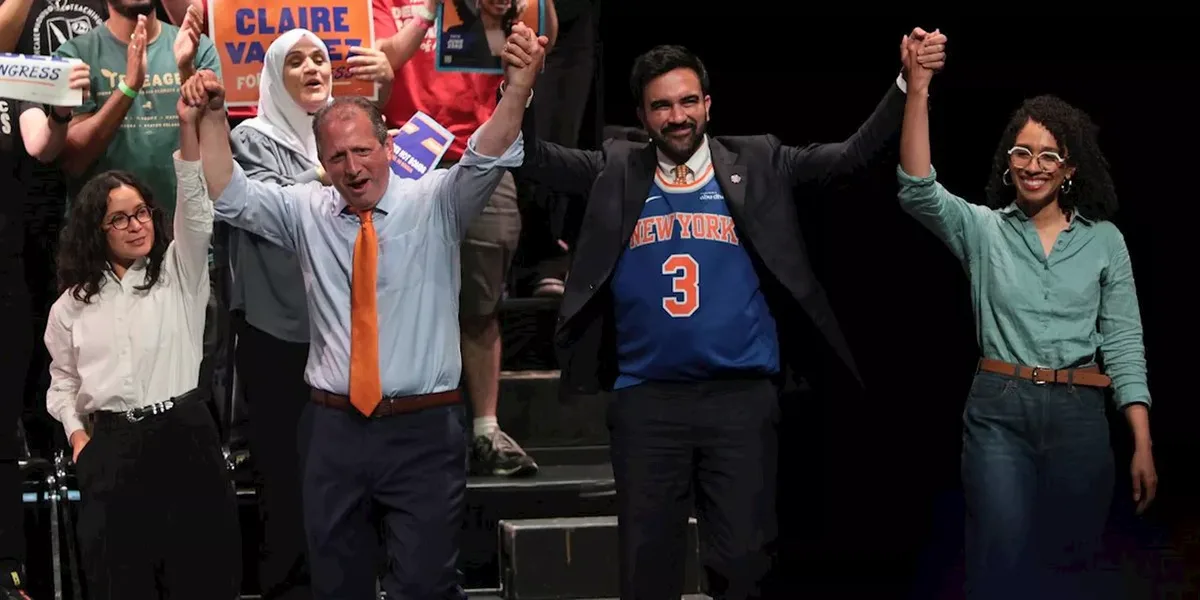
The Democratic Party promised soul-searching after 2024. Voters were told the autopsy would be real, the changes meaningful. But the early signals coming out of 2026 primary races suggest the party machinery hasn't absorbed the lesson — or isn't ready to act on it.
Internal tensions are surfacing again. The same fault lines that split establishment Democrats from progressive challengers in previous cycles appear to be re-emerging, casting doubt on whether the post-election review produced anything more than a paper document.
Read more White House Has No Democratic Picks for SEC and CFTC Seats →
For traders and market watchers, political dysfunction inside one of the two major parties isn't just a civics story. Policy certainty — on taxes, regulation, and spending — depends on functional opposition. A fractured Democratic bench heading into 2026 midterms could reshape the competitive landscape in ways that ripple into fiscal negotiations.
The core tension is familiar: national party leadership backing incumbents and safe candidates while grassroots energy pushes toward insurgents. That dynamic cost the party in 2024, and there's little evidence from early primary maneuvering that the structural incentives have changed.
Whether 2026 becomes a course-correction moment or another missed opportunity will depend on whether primary voters force the issue themselves. The autopsy apparently didn't. Continue reading at headtopics (commondreams).