9/11 Remembrance: Why Purposeful Memory Still Matters Today
As 9/11 anniversaries pass, keeping memory tied to meaning—not just ritual—grows more urgent for a new generation.
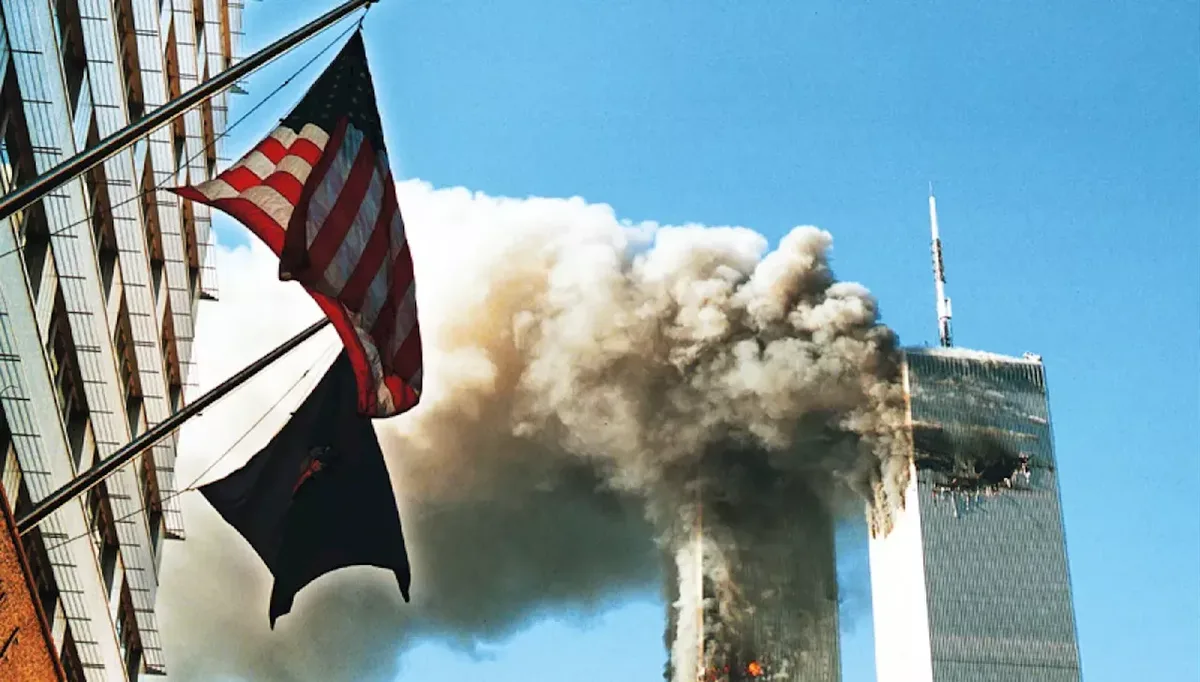
Every September, the nation pauses. Flags lower, ceremonies run, names get read aloud. But there's a real question worth asking: are we remembering with purpose, or just going through the motions?
Memory without meaning fades fast. The youngest adults today were toddlers or not yet born when the towers fell. That gap matters. When lived experience disappears, what's left has to be intentional — built, maintained, and connected to something larger than a calendar date.
Read more White House Has No Democratic Picks for SEC and CFTC Seats →
Purposeful remembrance means tying the past to present action. It means veterans' mental health, first-responder care, and national security awareness don't get treated as old news. It means the 9/11 generation passes down not just images, but context — why it happened, what changed, and what it still demands of us.
The risk of hollow commemoration is real. Anniversaries can become performative, a social media moment rather than a genuine reckoning. That's the version of remembrance that fades into irrelevance within a generation. The version that lasts demands discomfort — honest reflection on vulnerability, sacrifice, and the cost of freedom.
This anniversary, don't just observe. Engage. Talk to someone who was there. Read primary accounts. Connect the memory to something you can act on. That's the difference between a moment and a movement. Continue reading at headtopics (dcexaminer).