Anthropic's AI Curbs Spark Fierce Debate Over India's Tech Ambitions
India's AI innovation strategy faces a reality check as Anthropic's restrictions expose the risks of building on foreign foundational models.
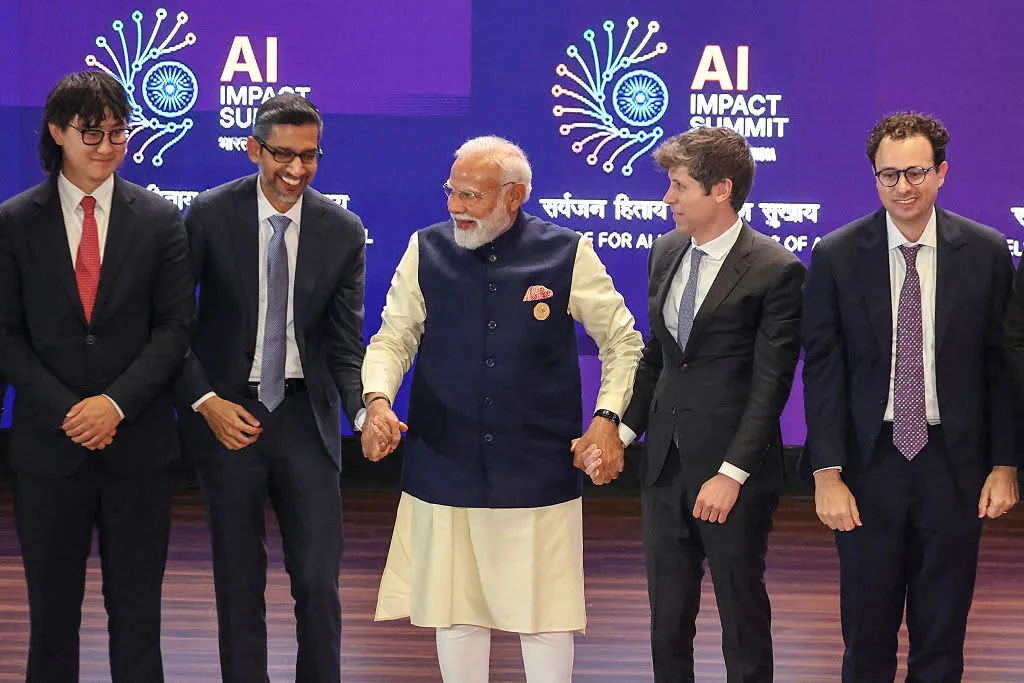
India wants to be a global AI powerhouse. The plan: skip building foundational models from scratch and instead layer homegrown applications on top of foreign AI infrastructure — think Anthropic, OpenAI, the usual suspects. It's a shortcut strategy, and right now it's getting stress-tested in real time.
Anthropic's latest restrictions are throwing cold water on that vision. When a foreign company controls the underlying model, it also controls the rules — who gets access, under what conditions, and when the tap gets turned off. That's a serious vulnerability for any country betting its AI future on someone else's foundation.
Read more Snap Bets It Can Win the Smart Glasses Race Against Apple, Meta, Google →
Critics inside India aren't pulling punches. The response to domestic efforts at building AI resilience has been called "too slow, way too small" — a damning verdict for a country that routinely positions itself as a tech-first emerging economy. The gap between ambition and execution is becoming harder to ignore.
For traders and investors watching the India tech story, this is the friction point worth tracking. The debate isn't abstract — it shapes which Indian AI companies can scale, which sectors face regulatory headwinds, and whether India can credibly compete with China's vertically integrated AI approach. Dependence on Western models isn't just a policy problem; it's a business risk embedded in every India-focused AI play right now.
The pressure is now on Indian policymakers and private capital to move faster and think bigger. Whether they do will determine if India's AI story is a genuine growth thesis or just a good pitch deck. Continue reading at US Top News and Analysis.