Bitcoin Lending Moves Into a New Institutional Era
Institutional players are reshaping Bitcoin lending markets. Here's what that means for traders and the broader crypto economy.
Bitcoin lending is growing up. What started as a wild-west corner of crypto — think collapsed platforms and frozen withdrawals — is quietly being rebuilt by institutional players who actually know how to manage risk. That shift matters for anyone with skin in the game.
The move toward institutional Bitcoin lending means tighter underwriting, real collateral standards, and counterparties that won't vanish overnight. For retail traders, that's a double-edged sword: the yield opportunities get more competitive, but the systemic blowup risk drops significantly. Less drama, more discipline.
Read more Prediction Markets Raise Insider Trading Red Flags for Wall Street →
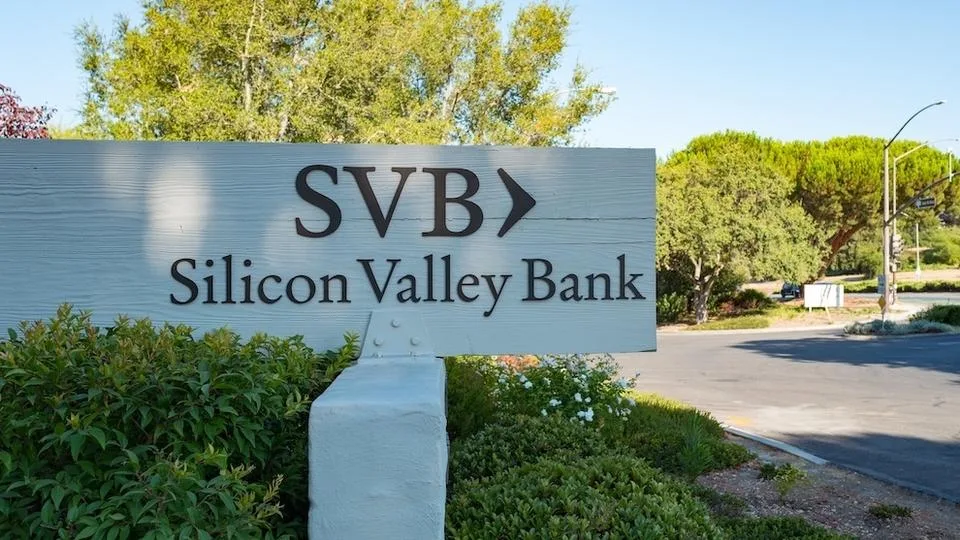
Silicon Valley Bank's framing of this as a "new era" signals that traditional finance infrastructure is wrapping itself around Bitcoin credit markets. When banks start talking seriously about BTC-backed lending, it's a sign the asset class is being treated less like a speculative token and more like a balance-sheet-worthy instrument.
The institutional stamp of approval doesn't guarantee smooth sailing — credit cycles are credit cycles, crypto or not. But the underlying architecture of Bitcoin lending is clearly becoming more sophisticated, with risk frameworks borrowed from traditional fixed-income markets now being applied to digital asset collateral.
If you're watching Bitcoin's price action, don't sleep on the lending layer underneath it. Institutional credit demand for BTC can act as a structural floor for the asset, quietly supporting prices even when sentiment turns sour. Continue reading at CoinDesk.