Century-Old Mall Retailer Shuts 25 Stores Quietly
A 102-year-old mall staple has closed 25 locations with little fanfare, signaling deeper trouble for brick-and-mortar retail.
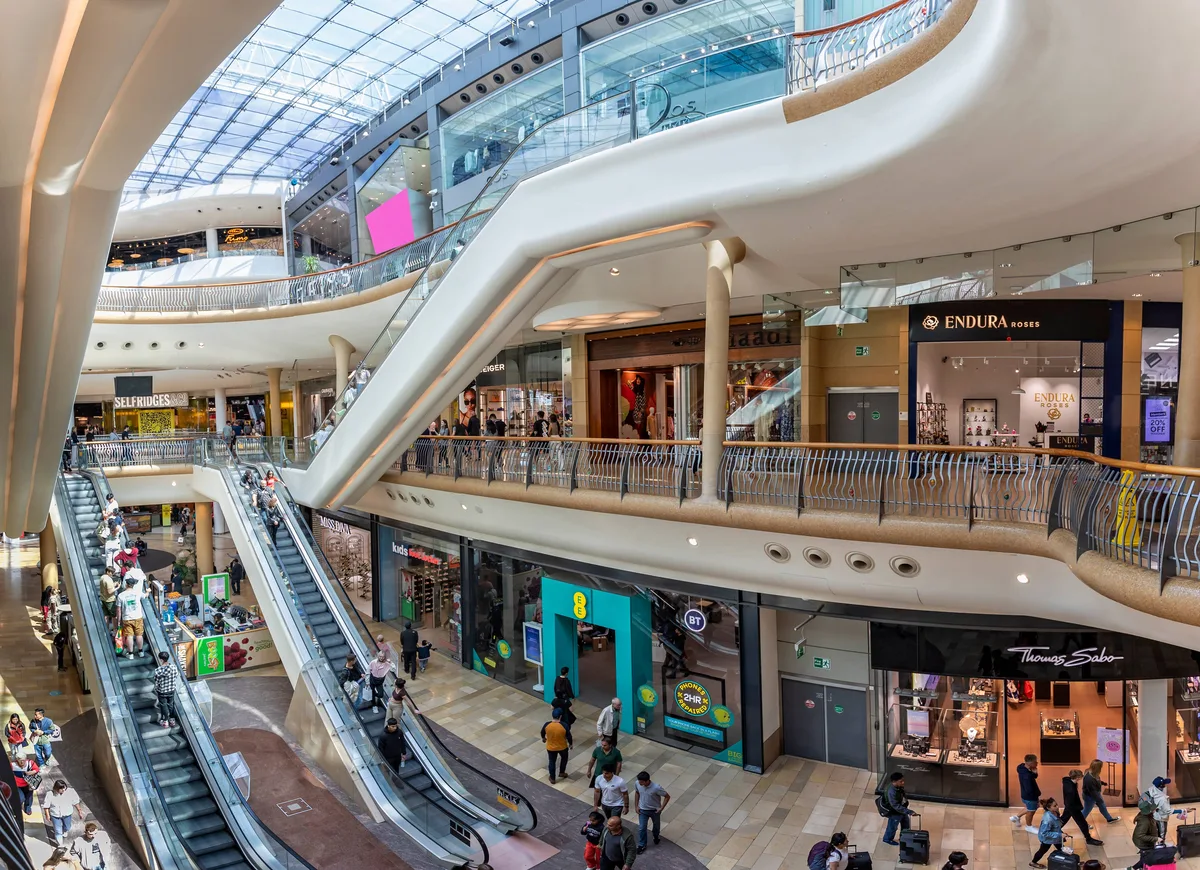
Another legacy mall brand is shrinking fast. A retailer that has been operating for over a century just closed 25 stores, and it did so without much noise — no big liquidation sales, no splashy press releases. That kind of quiet retreat is usually a red flag worth paying attention to.
Mall traffic has been bleeding out for years, and this move is a textbook example of what happens when a legacy brand can't keep pace with shifting consumer habits. When closures happen in batches this large, it's rarely a one-and-done situation. Watch for more locations to follow.
Read more How Tim Cook's $879B Bet Transformed Apple's Fortune →
For retail investors and traders, this is the pattern that precedes bigger structural moves — lease terminations, debt restructuring, or outright bankruptcy filings. If you're holding any position tied to mall-based retail or the REITs that depend on anchor and mid-tier tenants, this is the kind of data point you don't ignore.
The broader takeaway here is simple: a 102-year operating history means nothing if the business model can't adapt. Longevity is not a moat. Consumer preference is. Any retailer still leaning heavily on physical mall presence without a compelling omnichannel strategy is living on borrowed time.
Continue reading at Yahoo Finance.