Crypto Market Maturity: What It Really Means for Traders
The crypto market is showing signs of maturity. Here's what that shift means for how you trade and what to watch.

The crypto market isn't the wild west it used to be. Institutional money, clearer regulatory frameworks, and deeper liquidity are all pushing digital assets toward something that looks a lot more like traditional finance — for better or worse.
For retail traders, that maturity cuts both ways. On one hand, you get tighter spreads, more reliable price discovery, and fewer flash crashes driven by a single whale dumping on a thin order book. On the other hand, the easy 10x plays are harder to find when every hedge fund on the Street is running the same algos you are.
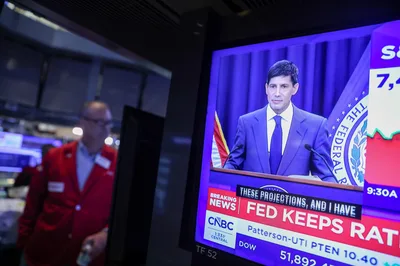
Read more S&P 500 Drops 1.2% After Fed Signals Disappoint Markets →
Maturity also means accountability. A maturing market prices in risk more efficiently, which means the days of a project mooning purely on vibes are numbered. Fundamentals — revenue, token utility, protocol usage — are starting to matter in ways they simply didn't in 2020 or 2021. That's actually good news if you do your homework.
The question traders should be asking isn't whether crypto is maturing — it clearly is. The question is whether your strategy has matured with it. Chasing memecoins while ignoring macro correlations is the trading equivalent of showing up to a knife fight with a spoon. The market will humble you fast.
Adapt your playbook. Watch correlations with equities and rates. Size positions with discipline. The opportunity is still enormous, but the edge now belongs to those who treat crypto like a real asset class — because that's exactly what it's becoming. Continue reading at CoinDesk.