DOJ Refuses to Put Anti-Weaponization Fund Pledge in Writing
The Justice Department rejected a judge's request to formally commit its stance on the controversial fund in writing.
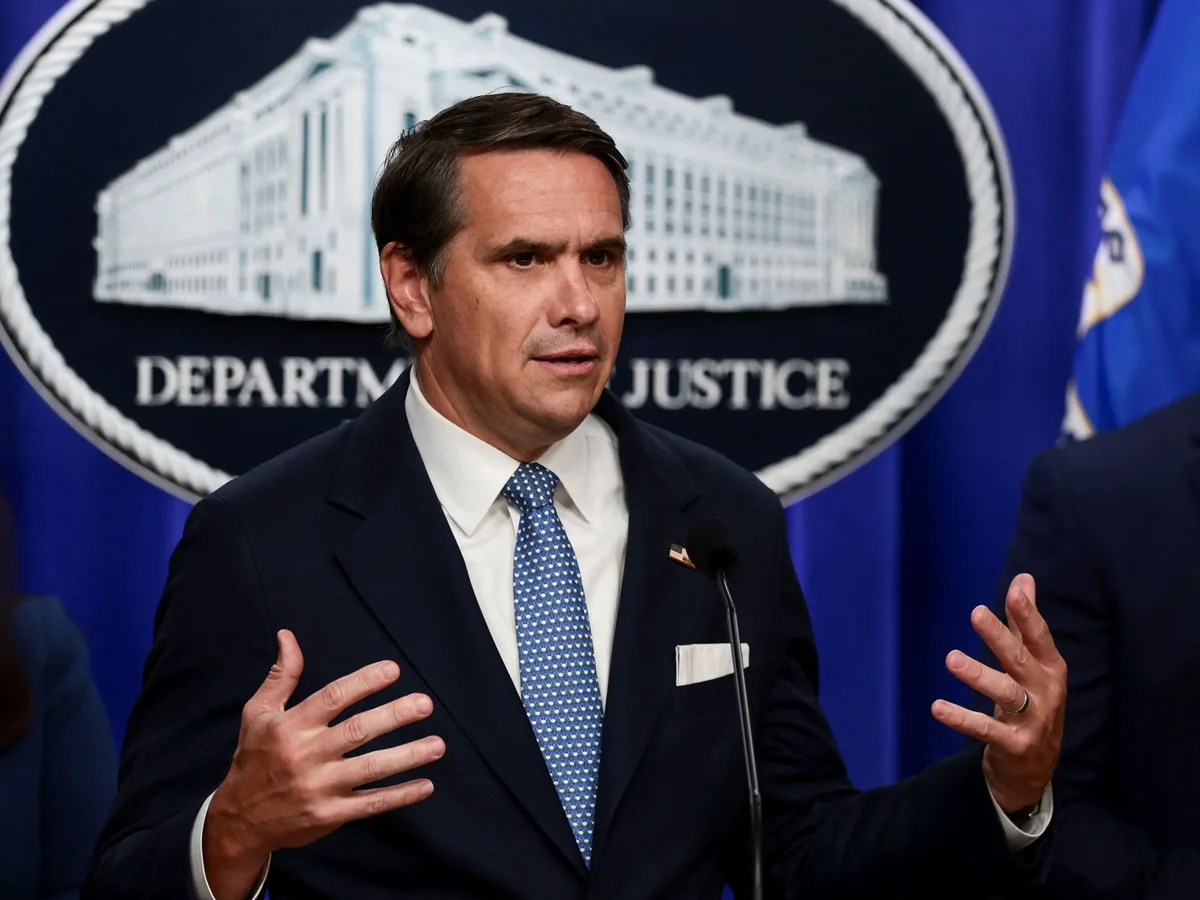
The Department of Justice is pushing back hard against a federal judge who asked the agency to put its position in writing regarding the so-called 'anti-weaponization' fund. The DOJ flatly refused, signaling it has no intention of formally committing to the court's request on paper — and that's a move worth watching closely.
The fund itself traces back to May, when the DOJ announced it was establishing the vehicle as part of settling President Donald Trump's $10 billion lawsuit against the Internal Revenue Service. That's a massive suit, and the settlement mechanism raised immediate eyebrows across legal and political circles.
Read more White House Has No Democratic Picks for SEC and CFTC Seats →
When a sitting judge asks the government to formalize its intentions in writing and the government says no, that tells you something. It suggests the DOJ wants maximum flexibility — the kind of wiggle room you don't get once you've signed your name to a court document. For traders and investors tracking policy risk, that ambiguity is the story.
The standoff puts the judiciary and the executive branch in direct tension over transparency and accountability. Whether this escalates into a broader legal confrontation or quietly fades could have real implications for how the administration handles future settlements tied to politically charged litigation. Keep your eyes on this one — it's not over.
Continue reading at US Top News and Analysis