Fed Eyes Fewer Meetings, Traders Should Brace for Choppier Markets
Kevin Warsh is reshaping Fed culture fast. Fewer meetings could mean bigger, less predictable rate moves.
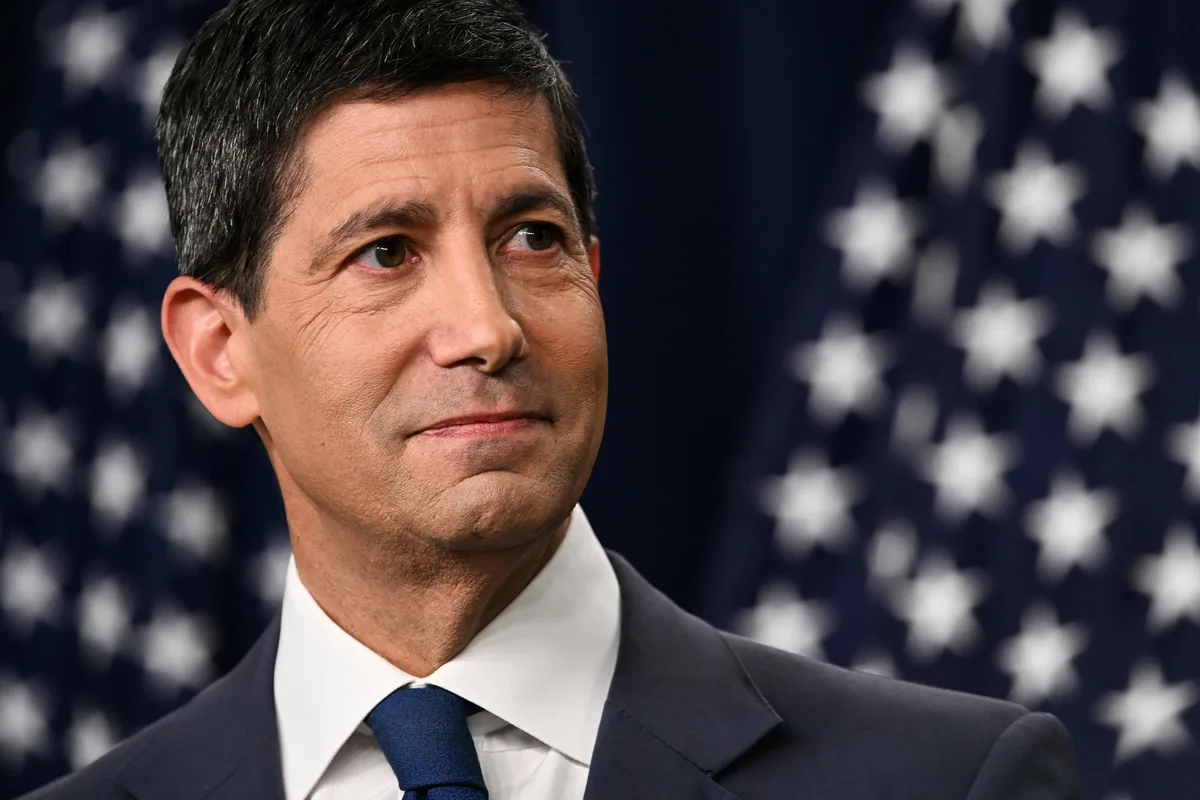
Kevin Warsh isn't playing by the old Fed rulebook. Since stepping into the chair role in May, he's been systematically dismantling decades of institutional norms at the Federal Reserve — and the latest shift being discussed could be one of the most market-moving yet: reducing how often the Fed actually meets.
Fewer meetings sounds boring on paper. It isn't. Right now, traders get eight scheduled chances per year to recalibrate positions around Fed decisions. Cut that number and you compress the calendar — meaning each remaining meeting carries more potential firepower. One meeting could deliver a surprise that would have otherwise been spread across two. That's a volatility multiplier, plain and simple.
Read more Nvidia's SpaceX Stake Hit $21 Billion at End of Q2 →
Warsh has already shown he's willing to break from the cautious, consensus-driven approach that defined the Bernanke-Yellen-Powell era. Every change he makes resets the behavioral patterns traders have spent years learning. Fewer predictable checkpoints means fewer opportunities to hedge incrementally. You can't ladder your risk the same way when the schedule itself is uncertain.
For retail traders, this is the moment to rethink your Fed-day playbook. Options premiums around meeting dates could reprice structurally. The gap between meetings widens, so economic data released in those intervals gains even more weight — every jobs report, every CPI print becomes a bigger signal. Pay attention.
The broader takeaway is that the Fed under Warsh is becoming a less predictable institution by design. Whether that's good policy is a debate for economists. For your portfolio, the only question that matters is whether you're positioned for a regime where the rules keep changing. Continue reading at US Top News and Analysis.