Fed Holds Rates Steady, Drops Its Rate-Cut Bias Signal
The Federal Reserve kept rates unchanged and stripped its statement of language hinting at future cuts — a hawkish shift traders need to watch.

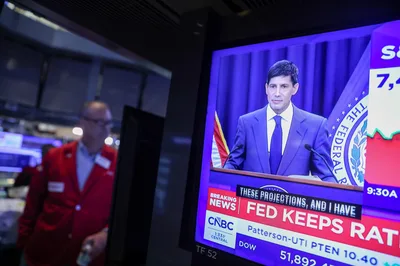
The Federal Reserve held interest rates steady at its latest meeting, delivering no surprise on the headline number. But the real move was in the fine print — the Fed quietly removed language from its statement that had been signaling a bias toward cutting rates. That's a big deal for anyone positioned for easing.
Stripping out the cutting bias tells you the Fed isn't in a hurry. Policymakers are keeping their options open, and right now those options don't lean dovish. If you've been betting on rate cuts arriving on a neat schedule, this statement is a yellow flag worth respecting.
Read more S&P 500 Drops 1.2% After Fed Signals Disappoint Markets →
The shift in language matters more than the hold itself. Central bank communication IS policy. When the Fed stops telegraphing cuts, the bond market adjusts, the dollar tends to firm up, and rate-sensitive equities feel the pressure. Watch how 2-year Treasury yields react — that's your real-time read on what traders believe comes next.
Bottom line: the Fed just told you it's in wait-and-see mode with no thumb on the scale toward easier policy. Don't fight the statement. Position accordingly and stay nimble until the next round of economic data gives the committee a reason to tip its hand again.
Continue reading at US Top News and Analysis.