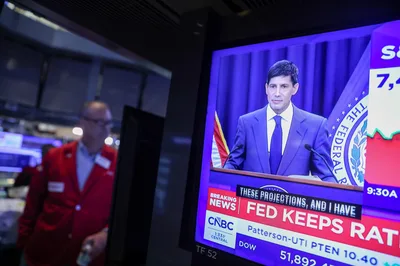
Fed Holds Rates Steady in First Warsh-Era Decision
The Federal Reserve kept rates unchanged in Kevin Warsh's debut as Fed chair, signaling cautious continuity at the central bank.
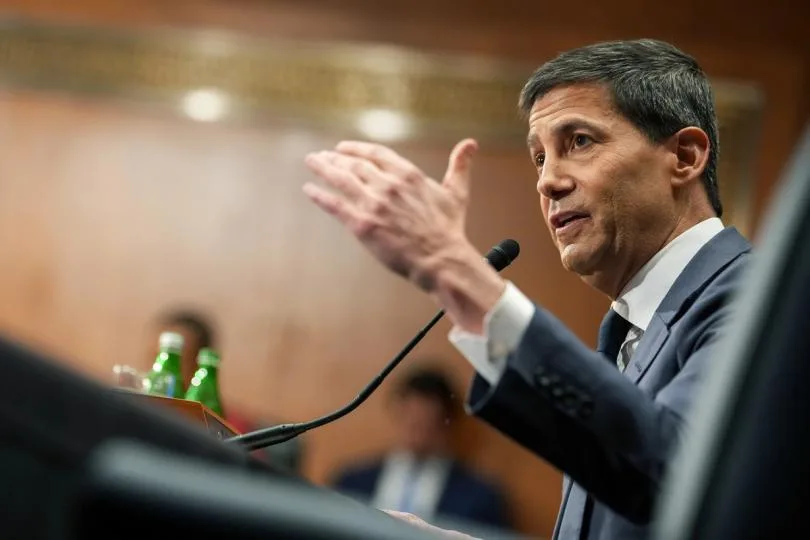
The Federal Reserve made no move on interest rates in its first policy decision under new Chairman Kevin Warsh, opting to hold steady rather than shake up monetary policy right out of the gate. For traders, that means the status quo holds — at least for now.
Warsh steps into one of the most watched seats in global finance, and his first call was a punt. No cut, no hike. Whether that reflects his own thinking or a desire to buy time and assess the economic landscape, the message to markets is clear: don't expect fireworks immediately.
Read more S&P 500 Drops 1.2% After Fed Signals Disappoint Markets →
The hold keeps rates at their current level as the Fed continues to navigate a tricky environment — stubborn inflation pressures on one side, slowing growth signals on the other. Warsh inherits a balancing act, and his first decision suggests he's not tipping his hand just yet.
For retail traders and investors, the playbook hasn't changed overnight. Rate-sensitive assets like bonds, real estate, and growth stocks remain in the same holding pattern they've been in. Watch Warsh's tone in press conferences and speeches — that's where the real signal will come from in the weeks ahead.
Continue reading at CoinDesk.