Fed Holds Rates Steady: What It Means for Your Money
The Fed kept interest rates unchanged. Here's how that decision hits your credit cards, savings, mortgages, and car loans right now.
The Federal Reserve just held interest rates steady, and if you've been waiting for relief on your borrowing costs, don't hold your breath. When the Fed doesn't move, neither does the prime rate — and that means the interest you're paying on variable-rate debt stays exactly where it is.
Credit card holders feel this the most. Rates on revolving balances are still sitting near historic highs, and a Fed pause gives card issuers zero incentive to trim those APRs. If you're carrying a balance, the math isn't getting friendlier anytime soon. Pay it down aggressively or look at a balance transfer — the Fed isn't going to save you here.
Read more Inherited a $500K IRA? Here's How to Cut Your Tax Bill →
On the flip side, savers are still in a decent spot — for now. High-yield savings accounts and money market funds have been paying out solid returns thanks to the elevated rate environment. A hold means those yields don't collapse overnight. Lock in a CD rate if you want to protect that income before the Fed eventually pivots.
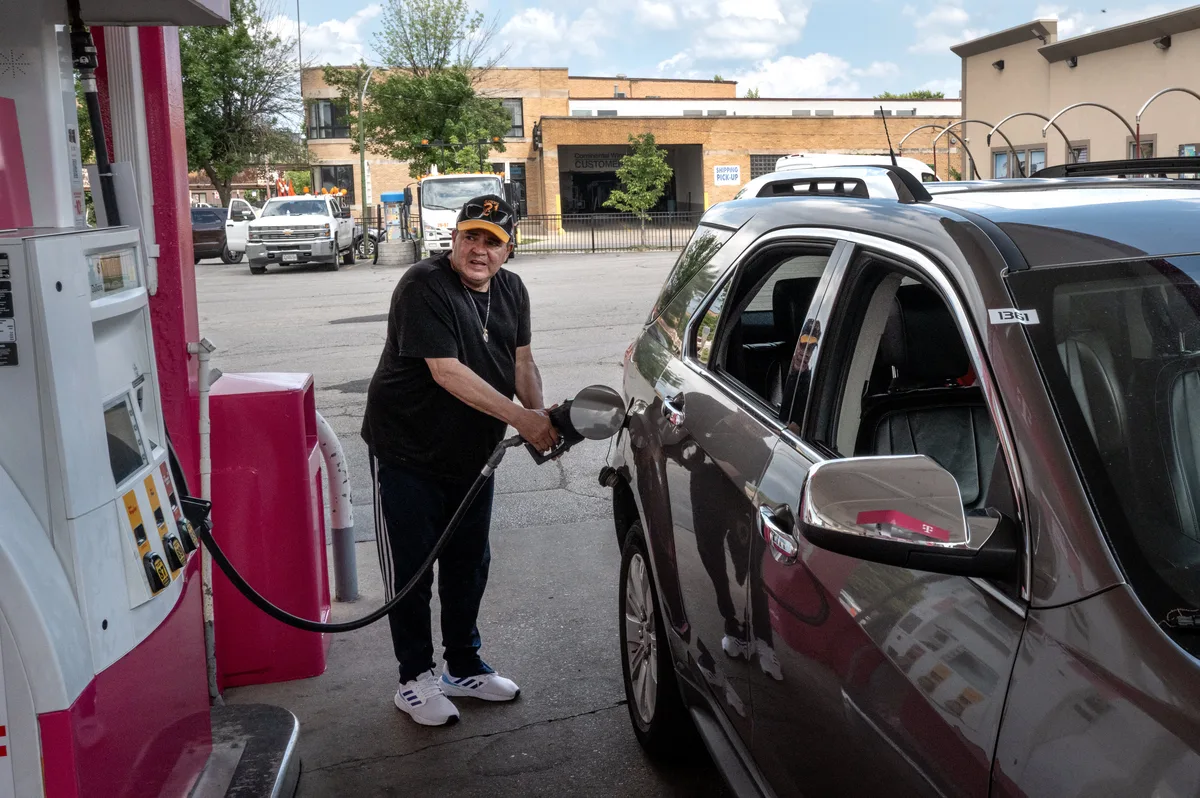
Mortgage and auto loan borrowers are stuck in the same waiting game. Fixed mortgage rates don't move in lockstep with the Fed, but they respond to broader rate expectations. With the Fed holding, any near-term drop in mortgage rates depends on bond market moves, not Fed action. Car loan rates remain elevated too, keeping monthly payments on new and used vehicles stubbornly high.
Bottom line: the Fed's pause is a freeze frame, not a resolution. Rates aren't going up, but they're not coming down either. Position your money accordingly — and keep watching for signals on when the Fed finally blinks. Continue reading at US Top News and Analysis.