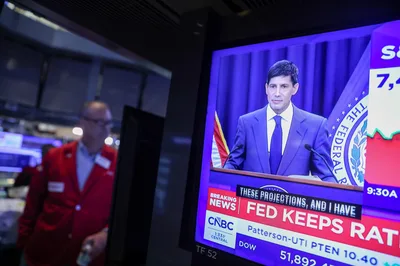
Fed Stands Pat on Rates as Consumer Spending Holds Up
The Fed kept rates unchanged while retail sales data showed consumers are still spending. Here's what it means for traders.
The Federal Reserve held interest rates steady in its latest decision, signaling it's not ready to cut — or hike — just yet. For traders, that means the wait-and-see game continues. No surprise move, no volatility gift. Just more of the same limbo.
But here's the real story: retail sales are holding up. Consumers haven't tapped out. That's a direct challenge to the narrative that rate hikes have already broken demand. If people are still spending, the Fed has cover to stay patient — and that patience could stretch longer than the market wants.
Read more S&P 500 Drops 1.2% After Fed Signals Disappoint Markets →
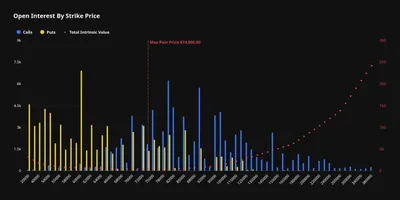
For equity traders, resilient retail sales are a double-edged sword. Strong consumer data props up earnings outlooks for discretionary and retail stocks. But it also kills the case for near-term rate cuts. Bond yields stay elevated, growth multiples stay compressed. You can't have it both ways.
Watch how the market digests this combo. A Fed on hold plus a spending-strong consumer sets up a "higher for longer" environment that punishes rate-sensitive sectors — think real estate and utilities — while rewarding value and financials. Position accordingly.
Continue reading at Benzinga