Gundlach: Warsh Won't Be the Easy-Money Fed Chair Bulls Wanted
Jeffrey Gundlach warns that Kevin Warsh isn't the dovish Fed chair traders were hoping for, which could reshape rate expectations.
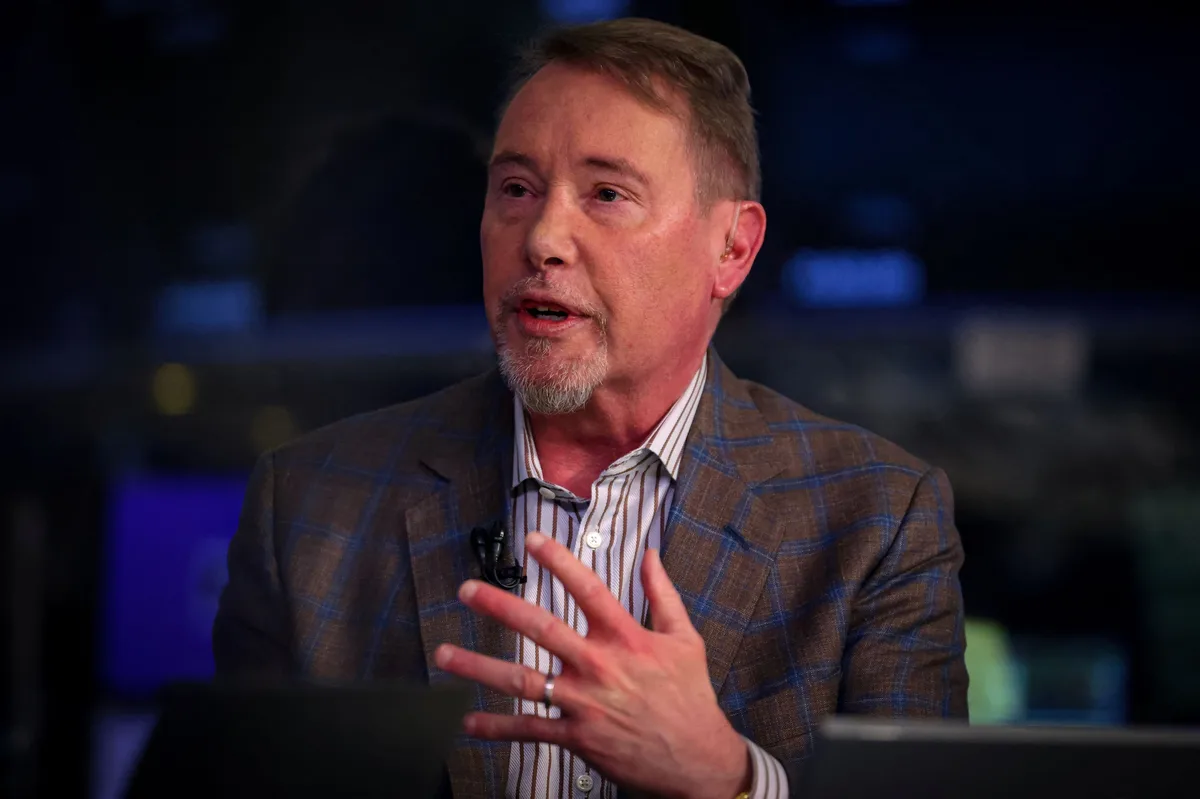
If you've been banking on a soft, rate-cutting Fed chair to juice your portfolio, Jeffrey Gundlach has a reality check for you. The bond king made clear that Kevin Warsh — widely speculated as a top contender to lead the Federal Reserve — is not going to be the easy-money pushover that many in the market had hoped for.
Gundlach's read matters here. He's one of the sharpest fixed-income minds on Wall Street, and when he talks about where rates are headed, traders listen. His take is that Warsh's policy stance is actually more hawkish than the market has priced in — and that changes the calculus on everything from mortgage rates to bond yields.
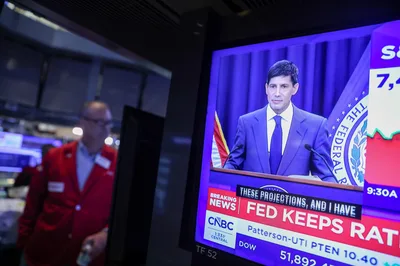
Read more S&P 500 Drops 1.2% After Fed Signals Disappoint Markets →
Here's the tradeable angle: Warsh's tougher stance reduces the odds of the Fed flooding the system with cheap money again. That's actually good news if you're worried about inflation making a comeback. Gundlach pointed out that overly accommodative policy could reignite price pressures and send longer-term borrowing costs climbing — a scenario that would hammer bond prices and squeeze equity valuations, especially in rate-sensitive sectors.
Bottom line — don't build your 2025 trade book around a dovish Fed pivot engineered by a new chair. If Warsh takes the helm, the days of emergency-style accommodation are likely behind us. Position accordingly: think shorter duration bonds, inflation hedges, and sectors that can survive in a higher-for-longer rate environment. The market may be slow to reprice this, and that lag is your opportunity.
Continue reading at US Top News and Analysis