Hormuz Tanker Traffic Surges After US-Iran Sea Lane Deal
Oil tanker traffic through the Strait of Hormuz jumped after the US and Iran struck a deal to open the critical sea lane, raising governance questions.
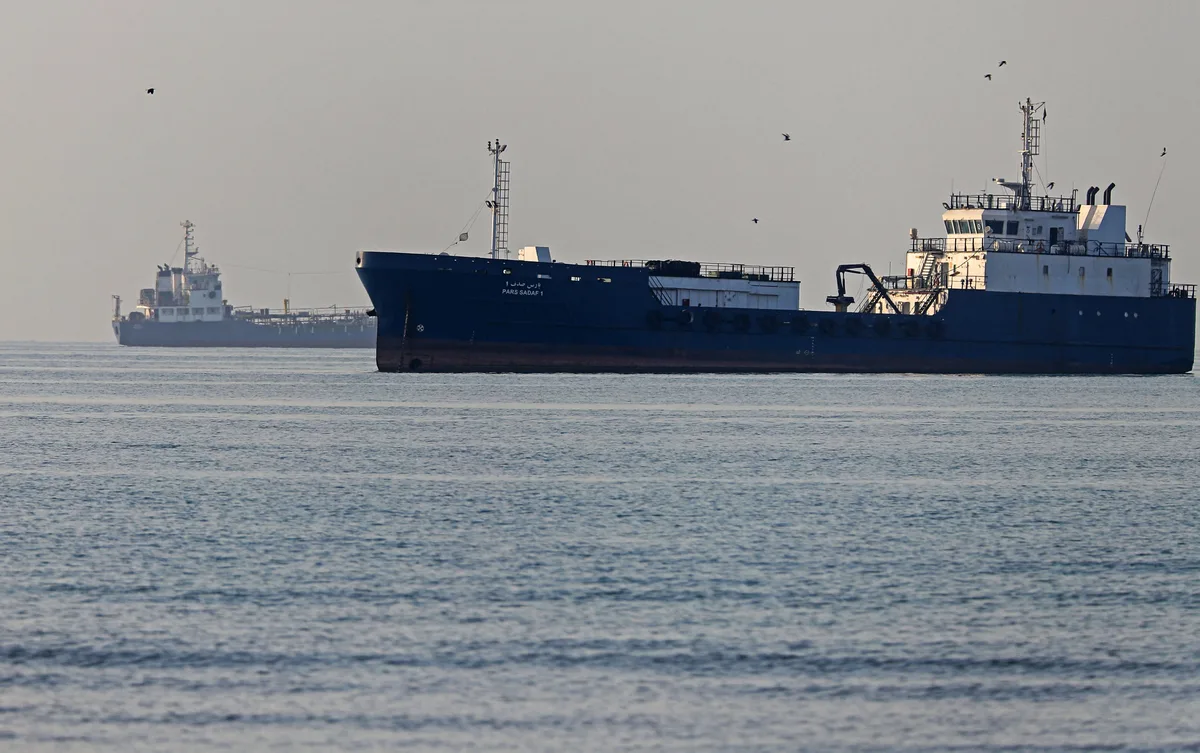
Oil tankers are moving through the Strait of Hormuz again — and they're moving fast. The US-Iran deal to open the world's most critical oil chokepoint triggered an immediate jump in traffic, a signal that energy markets were starved for this exact kind of geopolitical relief valve.
The Strait of Hormuz isn't just a waterway. Roughly 20% of global oil supply flows through it. When it gets blocked or threatened, crude prices spike and supply chains seize up. Any deal that keeps it open is a direct tradeable event for energy traders watching Brent and WTI.
Read more Prediction Markets Raise Insider Trading Red Flags for Wall Street →
But here's the catch — the current arrangement is toll-free, and that can't last forever. Nobody's fully answered how the strait will be governed once that toll-free window closes. That ambiguity is the sleeper risk that energy desks should be pricing in right now, not after the fact.
The deal raises bigger strategic questions too. Who enforces the terms? What happens if either side walks back commitments? The US and Iran have a long history of agreements that unravel. Traders who get complacent on the back of this traffic surge could get caught flat-footed if diplomacy sours.
For now, the flow is on and that's bullish for refinery throughput and bearish for the geopolitical risk premium baked into crude. Watch the governance talks closely — that's where the next move gets made. Continue reading at US Top News and Analysis.