Iran Accuses Trump of 'Theater Diplomacy' as Hormuz Traffic Stalls
Iran's top negotiator slams Trump's approach as the Strait of Hormuz nears a standstill, rattling Gulf energy markets.
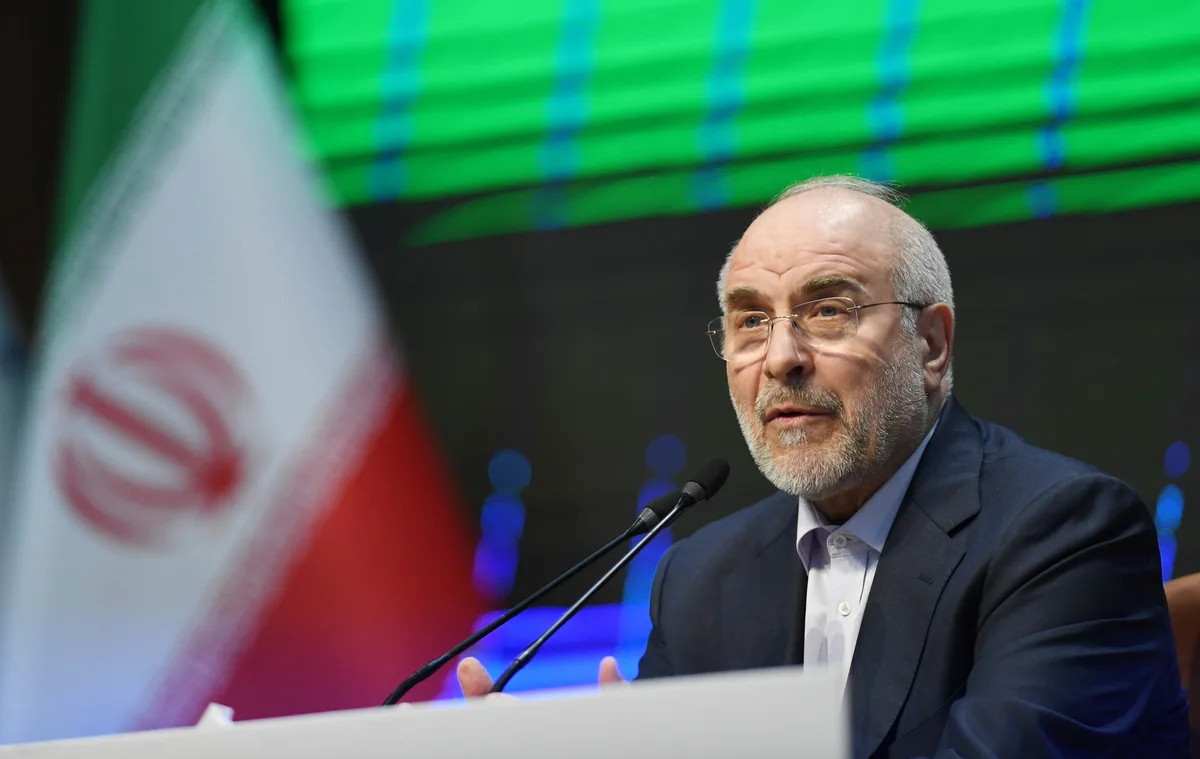
The Strait of Hormuz is the jugular vein of global oil supply, and right now it's barely pumping. Iran's chief negotiator has publicly accused the Trump administration of engaging in what he called 'theater diplomacy' — a pointed signal that Tehran sees U.S. moves as performance rather than genuine negotiation. That's not a throwaway line. When the guy across the table stops believing the other side is serious, talks collapse fast.
Shipping traffic through the strait is approaching a standstill, and that matters to your portfolio whether you trade energy, shipping stocks, or broad equities. The Gulf energy infrastructure is squarely back in the crosshairs. Any sustained disruption to Hormuz flow means roughly 20% of globally traded oil gets squeezed through a choke point that's suddenly very political — and very fragile.
Read more Nvidia's SpaceX Stake Hit $21 Billion at End of Q2 →
The conflict isn't staying contained. Regional Gulf energy assets and shipping lanes are both under renewed pressure as the standoff widens. That's a dual threat: supply disruption risk on the production side and logistical risk on the transport side. Traders who shrugged off earlier headline noise may want to reconsider that position sizing.
The rhetoric from Tehran signals that diplomatic off-ramps are narrowing, not widening. When a lead negotiator goes on the record calling out the other side's credibility, it usually means the room is getting smaller. Watch oil futures, tanker rates, and any equity names with heavy Gulf exposure — this one is moving fast.
Continue reading at US Top News and Analysis