Iran Ship Attack Could Spike War-Risk Insurance Premiums Again
War-risk premiums had just fallen sharply before Iran's latest ship attack. Now traders and shippers brace for a reversal.
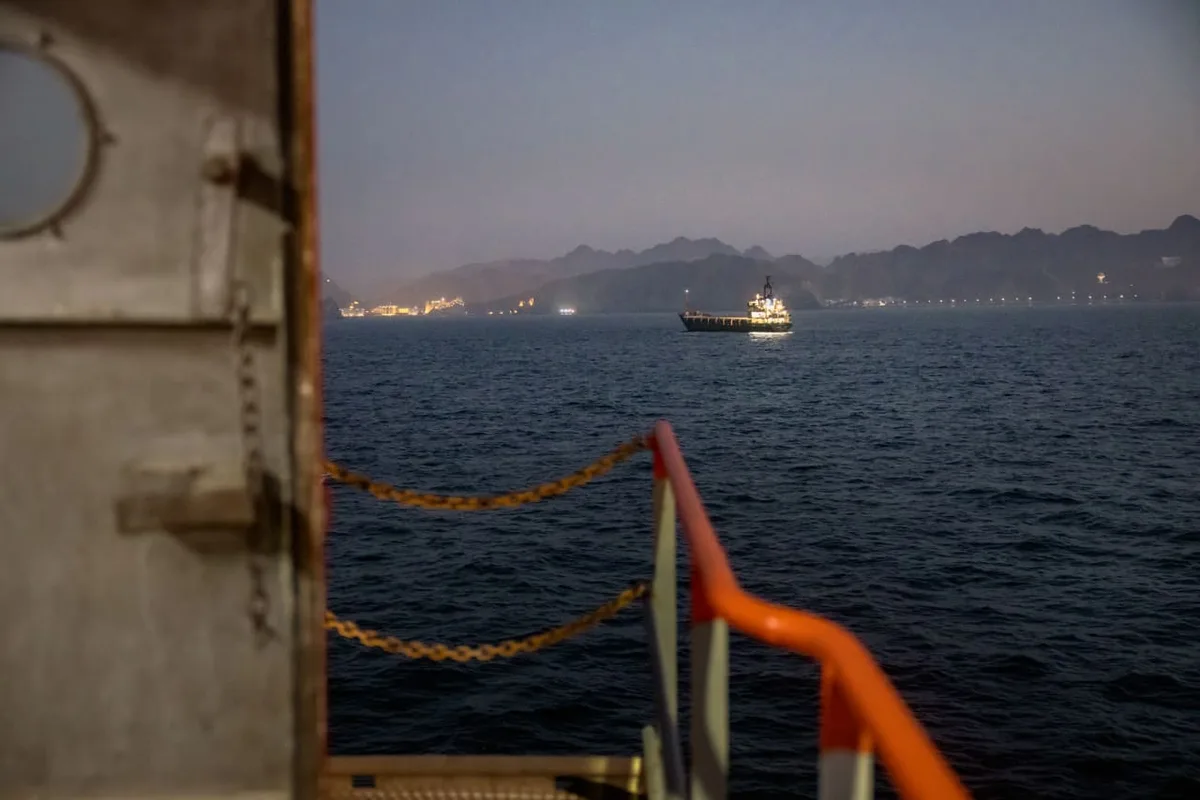
You finally caught a break on war-risk insurance costs — and now this. War-risk premiums in the shipping market had narrowed considerably in recent days, giving shipowners and cargo operators a rare moment of relief after months of elevated costs tied to Middle East tensions. Then Iran's attack on a vessel hit the headlines and reset the calculus overnight.
War-risk premiums are the extra insurance charges slapped onto vessels transiting high-threat zones. When geopolitical heat rises, underwriters jack up those rates fast. When things cool down, they ease off. The problem is that cooling periods don't last long when a live incident reminds the market exactly what the risk premium is supposed to cover.
Read more Prediction Markets Raise Insider Trading Red Flags for Wall Street →
The timing couldn't be worse for shippers trying to lock in lower operating costs. Any sustained uptick in premiums flows straight into freight rates, which means the cost eventually lands on importers — and consumers. If you're trading shipping stocks or freight-exposed names, this is exactly the kind of catalyst that can reprice a sector in a single session.
The key question now is whether this attack is a one-off escalation or the start of a renewed pressure campaign on commercial shipping. Underwriters don't wait for the answer — they move premiums first and ask questions later. Watch the war-risk rate quotes coming out of Lloyd's of London closely over the next 48 hours. That'll be your real-time read on how seriously the market is taking this.
Continue reading at MarketWatch.com