Iran-US Strikes Escalate but Oil Barely Flinches in Asia
US hits Iranian infrastructure; Iran retaliates against Gulf bases. Oil markets shrug despite rising Hormuz closure risk.
Here's what you need to know: the ceasefire is dead. US forces hammered roughly 90 Iranian coastal military targets overnight — air defense systems, missile and drone depots, naval assets, logistics hubs. Then came the escalation nobody expected: cruise missiles took out two railway bridges in Iran's Golestan province, marking the first US strike on Iranian civilian infrastructure since hostilities resumed. Washington confirmed it. Tehran went ballistic.
Iran fired back hard. Missiles rained on Bahrain and Kuwait, hitting bases where US military personnel are stationed. Air raid sirens echoed across the Gulf. Iran's IRGC promised more. Parliament Speaker Ghalibaf went further — threatening that the Strait of Hormuz would only reopen on Iran's terms. That's the chokepoint for roughly 20% of global oil supply. Traders should be paying attention.
Read more Prediction Markets Raise Insider Trading Red Flags for Wall Street →
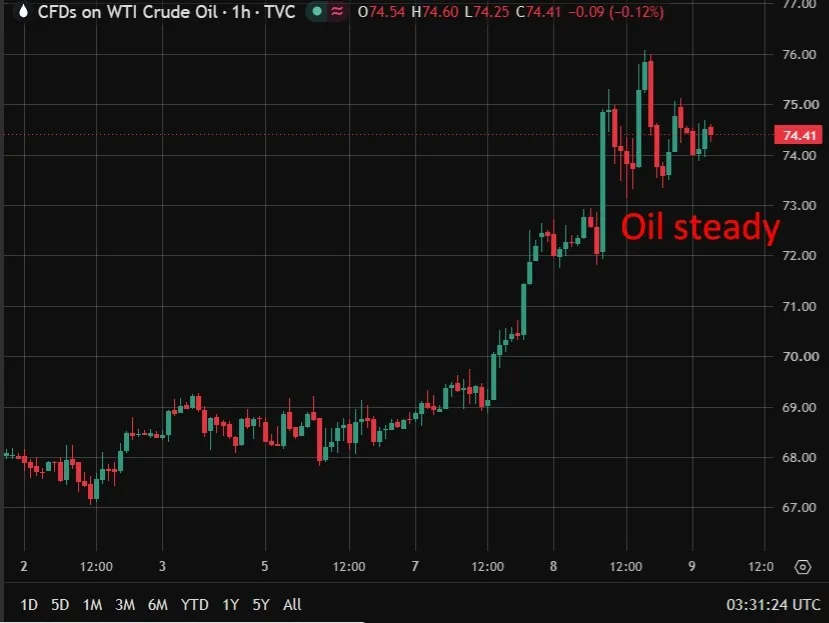
And yet, oil barely moved. That's either the market's coolest read of a hot conflict, or a massive complacency trade waiting to blow up. The session did see oil tick modestly higher as Iranian retaliatory attacks continued, but nothing close to the 7% spike logged when Trump earlier threatened strikes on Kharg Island. Chipmaker stocks actually rallied, lifting the Nikkei and KOSPI — go figure.
Elsewhere in Asia, the Bank of Korea flagged a potential rate hike as domestic inflation runs at multi-year highs. China's factory-gate prices hit a four-year peak even as consumer inflation missed estimates, printing at 1% year-over-year against a 1.2% consensus. The PBOC set its USD/CNY fix slightly weaker than model estimates. Meanwhile, Trump told reporters that Iranian officials "called a short while ago" seeking a deal — a signal that back-channel diplomacy hasn't completely collapsed yet.
Bottom line: you've got a live shooting war in the Gulf, Hormuz closure threats, and oil sitting on its hands. Either geopolitical risk premium is about to get priced in fast, or someone knows something the headlines don't. Continue reading at Forexlive.