Kevin Warsh's Fed Task Forces Signal a Major Central Bank Overhaul
New Fed Chair Kevin Warsh kept rates steady but revealed his blueprint for restructuring the central bank through targeted task forces.
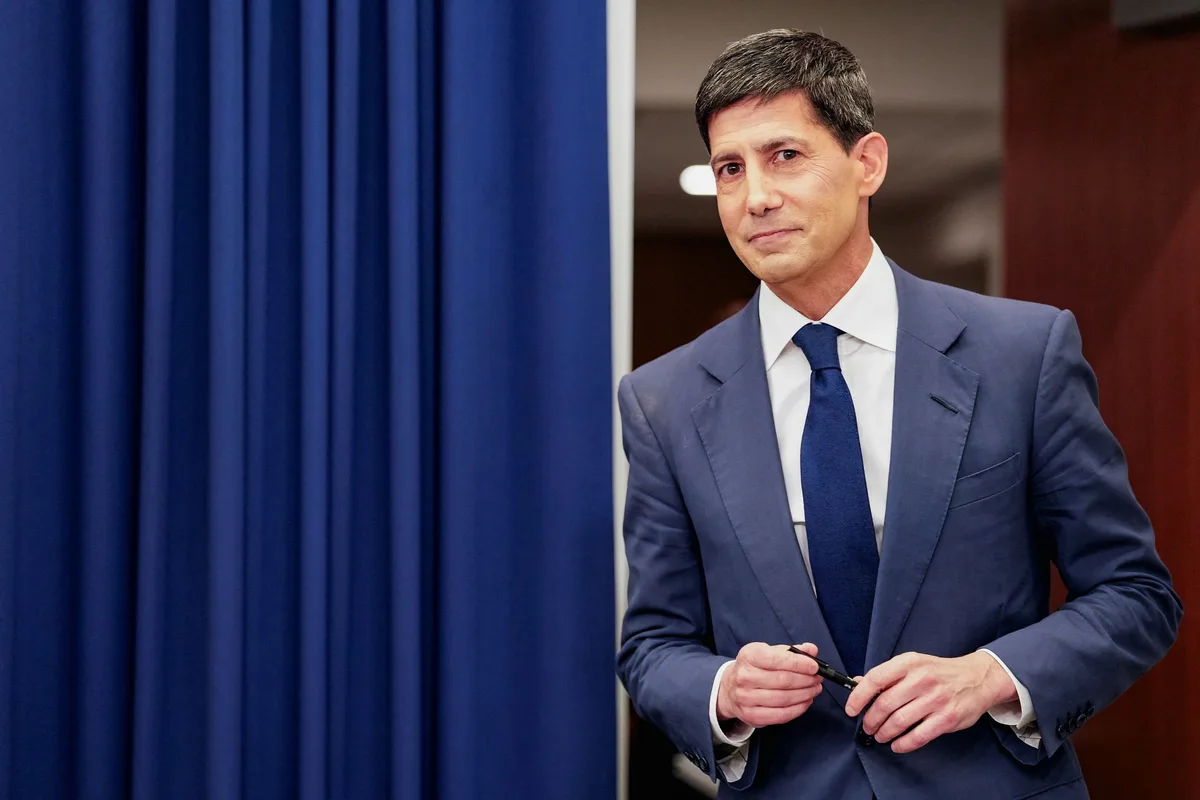
Kevin Warsh didn't touch interest rates. But make no mistake — he's already moving fast to reshape the Federal Reserve from the inside out. His tool of choice? Task forces. And if you're trading around Fed policy, you need to understand what that means.
Task forces are Warsh's way of signaling priorities without touching the rate dial. They're internal working groups designed to review, reform, and potentially rewire how the Fed operates. Think of them as the organizational blueprint for a central bank that Warsh clearly believes needs a serious upgrade.
Read more White House Has No Democratic Picks for SEC and CFTC Seats →
This is a chairman who came in with an agenda. Keeping rates on hold buys him time — time to restructure, reposition, and rebuild institutional credibility the way he sees fit. The rate decision was the headline, but the task forces are the real story. Traders who focus only on the fed funds rate are missing the bigger picture.
Why does this matter to you? Because a restructured Fed could mean a different communication style, different policy frameworks, and potentially a different reaction function down the road. If Warsh rewires how the institution thinks, the market's playbook for reading the Fed gets rewritten too. That's not a tomorrow problem — start adjusting your priors now.
This is one of those rare moments where the institutional mechanics of a central bank have direct tradeable implications. Watch the task force mandates, watch who Warsh appoints to lead them, and watch how quickly they report back. That's your real-time read on where this Fed is heading. Continue reading at US Top News and Analysis.