Kevin Warsh Signals Hawkish Fed Stance, Markets React
Fed Chairman Kevin Warsh rattled markets with tough inflation rhetoric, signaling a more hawkish policy path than traders anticipated.
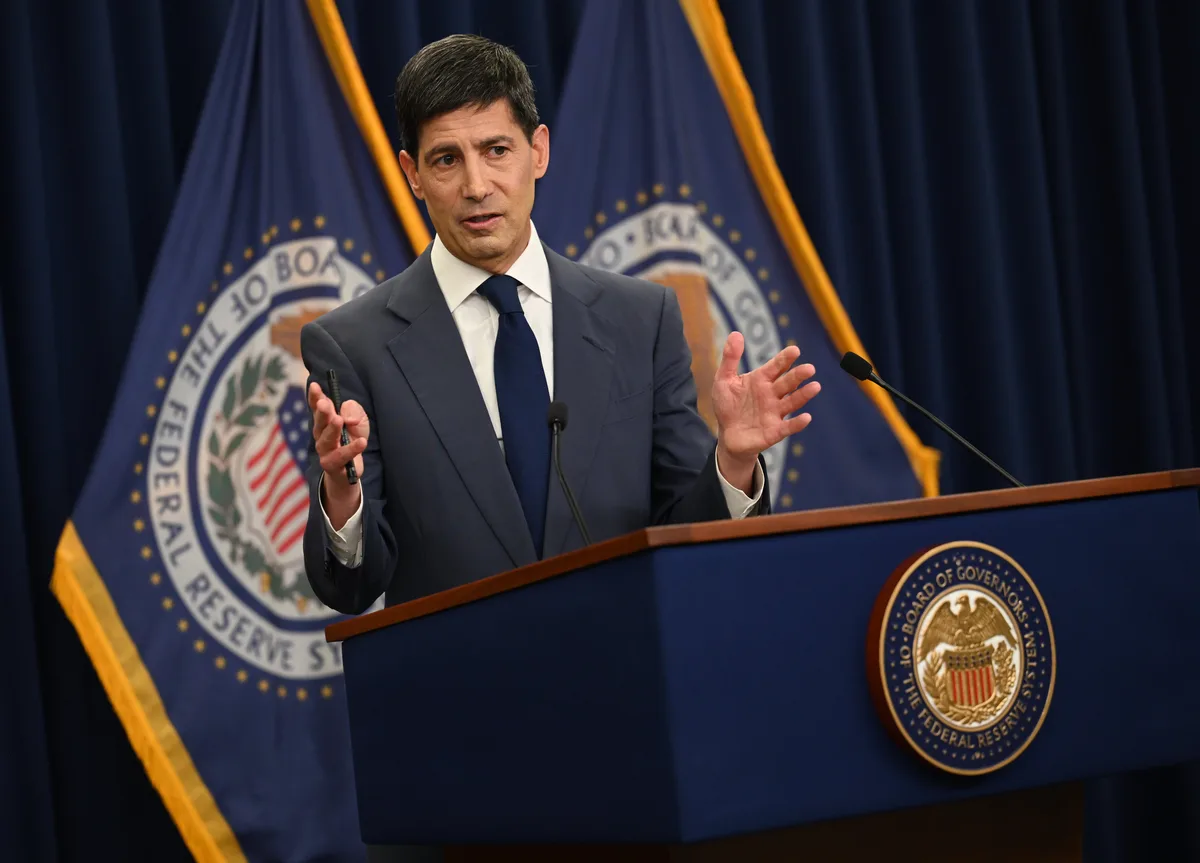
Kevin Warsh just put the market on notice. The Fed Chairman's blunt inflation comments Wednesday sent a clear message: don't expect rate cuts anytime soon. Traders who were pricing in an easier policy path got a reality check, fast.
Warsh's tone was unmistakably hawkish — tougher than the street had modeled. That gap between expectation and reality is exactly where markets get volatile. When a Fed chair speaks and traders are caught leaning the wrong way, repositioning happens hard and fast.
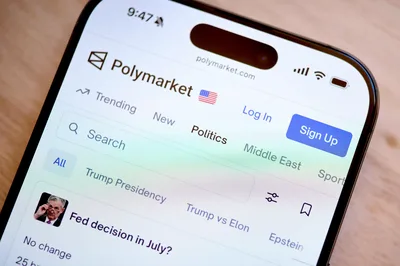
Read more Prediction Markets Raise Insider Trading Red Flags for Wall Street →
The immediate market reaction tells you everything. Bond yields, rate-sensitive equities, and rate-futures positioning all felt the reverberations of Warsh's Wednesday remarks. This isn't noise — it's a signal that the Fed under Warsh could run meaningfully tighter than consensus assumed heading into this period.
If you're trading around Fed policy, recalibrate your assumptions now. A Warsh Fed that prioritizes inflation-fighting over growth accommodation changes the calculus for duration, growth stocks, and anything priced off a soft-landing base case. The risk is to the hawkish side, and Wednesday just confirmed it.
Continue reading at US Top News and Analysis.