Minimum Wage Hikes Lose Political Steam After Ballot Wins
Once a surefire progressive win, minimum wage ballot measures are hitting unexpected resistance as economic sentiment shifts.
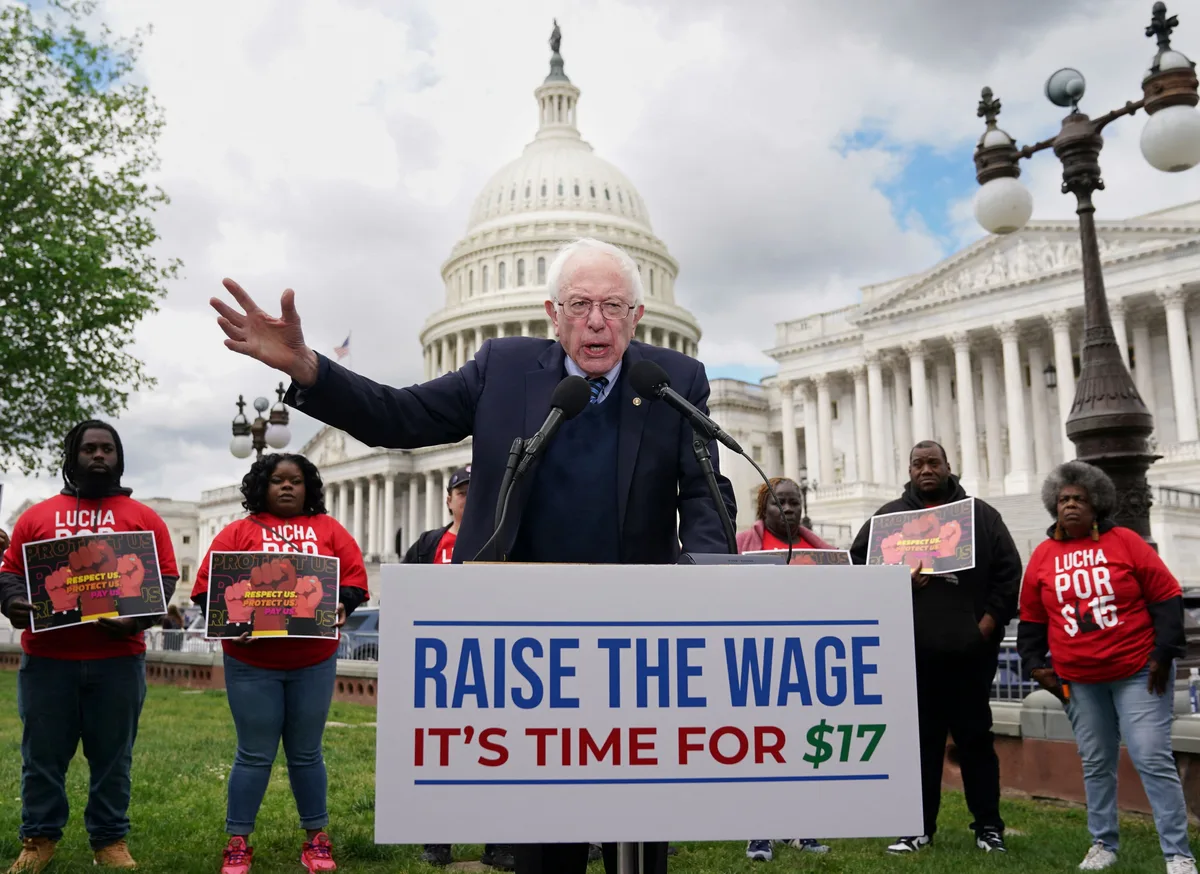
Minimum wage increases used to be the easiest sell in American politics. Voters across red and blue states backed them at the ballot box, turning pay-floor hikes into one of the left's most reliable policy victories. That winning streak is now showing cracks.
The economic mood has changed the calculus. When inflation is punching workers in the wallet, the argument that higher wages help the little guy gets complicated fast. Voters who once cheered raises for the lowest earners are now weighing those gains against higher prices at the register — and some are blinking.
Read more White House Has No Democratic Picks for SEC and CFTC Seats →
For traders and investors, this shift matters. Retail, restaurant, and hospitality stocks have long priced in the risk of mandatory wage increases eating into margins. If that political pressure is easing, that's a potential tailwind for labor-intensive businesses that were bracing for higher payroll costs. Watch the sector.
This doesn't mean the fight is over. Minimum wage advocacy remains deeply embedded in progressive organizing, and the issue still polls well in the abstract. But translating that approval into actual ballot wins is getting harder in an environment where economic anxiety cuts in multiple directions at once.
The bigger story here is what this signals about voter priorities. When pocketbook pain dominates, even popular redistribution policies face a tougher room. Pay attention to how candidates position wage policy heading into the next election cycle — it may no longer be the automatic crowd-pleaser it once was. Continue reading at US Top News and Analysis.