Navy Blockade Cuts Iran Oil Exports in US Economic War Shift
After airstrikes failed to dislodge Iran from Hormuz, Washington is now squeezing Tehran through a naval blockade targeting oil revenues.
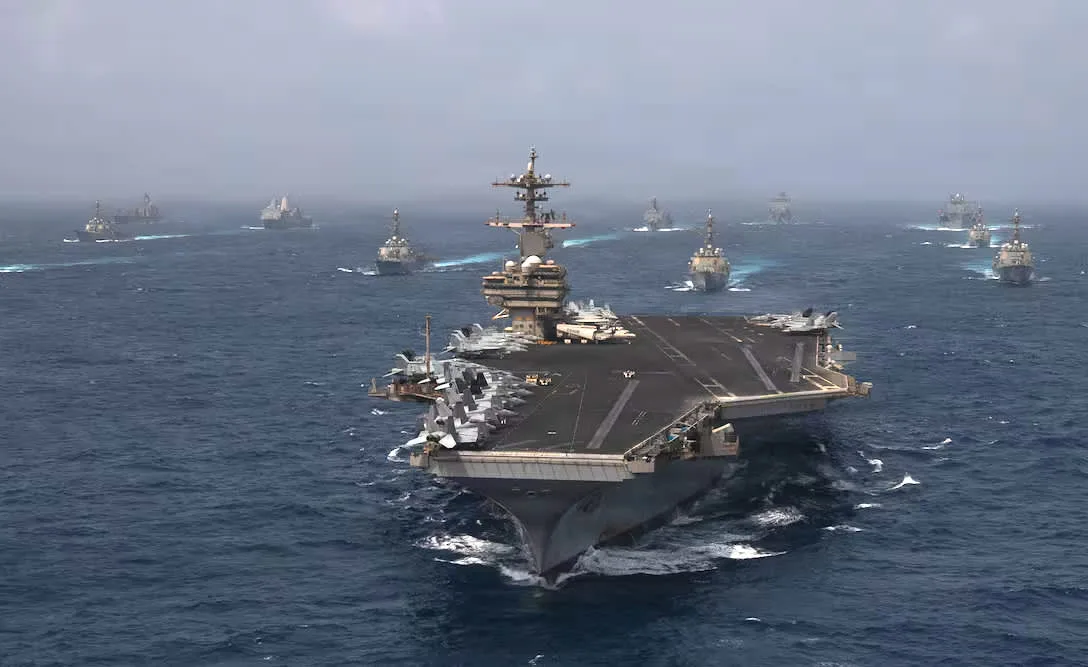
Washington is done dropping bombs and switching to choking wallets. After roughly a dozen rounds of airstrikes in July failed to push Iran off its claim to the Strait of Hormuz, the Trump administration has pivoted hard — deploying the U.S. Navy to cut off Iran's oil exports and bleed the regime economically.
This is a significant strategic shift. Kinetic strikes didn't move the needle, so the playbook is now economic strangulation. A naval blockade targeting oil shipments hits Iran where it hurts most — its ability to fund government operations, military spending, and regional proxies.
Read more Apple's Foldable iPhone Duo Arrives — Don't Expect a Stock Surge →
For traders, this changes the calculus immediately. Iranian crude off the market tightens global supply. Watch oil prices. Watch tanker stocks. Watch anything exposed to Strait of Hormuz throughput — roughly 20% of the world's seaborne oil passes through that chokepoint. Any escalation or miscalculation in those waters sends shockwaves straight to the pump and the futures strip.
The broader geopolitical stakes are massive too. Iran's refusal to abandon its Hormuz claim means this standoff isn't wrapping up quietly. Economic warfare can take months or years to force a policy change — and in the meantime, the risk of a naval incident that reignites military conflict stays very much on the table.
This story is moving fast. Continue reading at US Top News and Analysis.