Progressive vs. Establishment: Dems' 2026 Midterm Battle Lines
A progressive insurgency is taking shape inside the Democratic Party ahead of the 2026 midterms, threatening establishment incumbents.
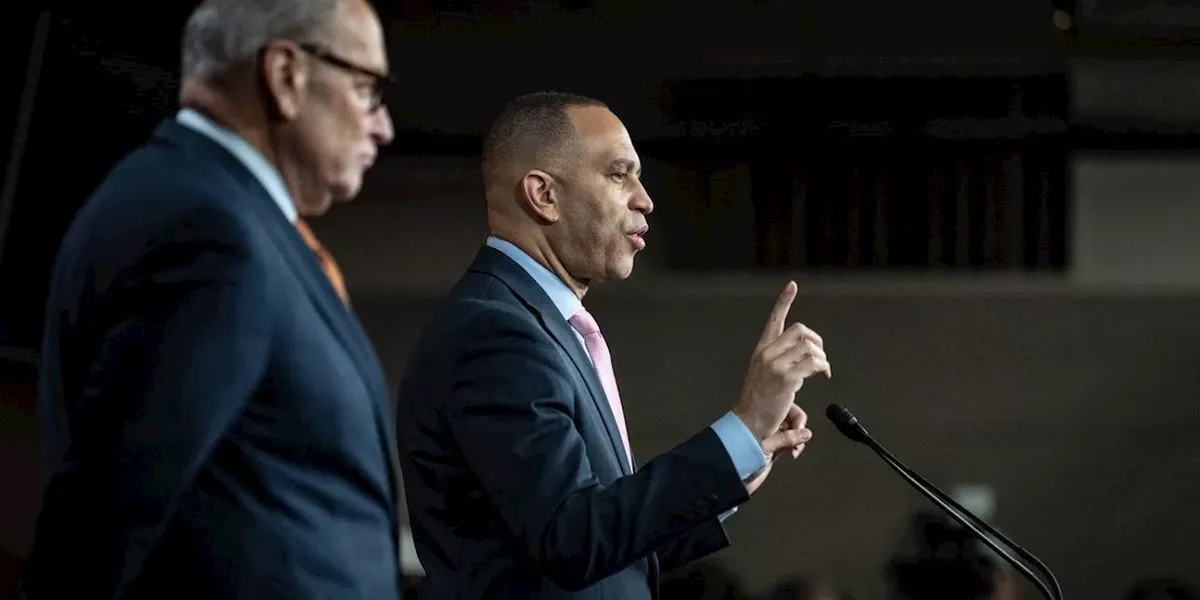
The Democratic Party is heading into 2026 with a civil war brewing. Progressive challengers are squaring up against establishment incumbents, and the outcome could reshape who controls the party's direction for years to come. This isn't a new fight — but the stakes feel higher now.
The tension between the progressive and centrist wings of the party has been simmering since at least 2016. What's different ahead of 2026 is the urgency. Voters on the left are frustrated, organized, and increasingly willing to primary their own. That kind of internal pressure can either sharpen a party's message or fracture its coalition at exactly the wrong moment.
Read more White House Has No Democratic Picks for SEC and CFTC Seats →
For traders and market watchers, political realignment inside a major party matters. Policy outcomes — on taxes, regulation, healthcare, and spending — shift depending on which faction gains ground. A more progressive Democratic caucus would push very different priorities than a centrist one, and that gap has real implications for sector bets heading into a potential power-shift year.
The establishment isn't sitting still either. Incumbent Democrats have structural advantages: name recognition, donor networks, and institutional support. Dislodging them requires more than energy — it takes money, organization, and a message that cuts through. Whether the progressive insurgency has all three remains the defining question of this pre-midterm cycle.
Continue reading at headtopics (commondreams) for the full breakdown of where these primary battles are taking shape.