Seattle Gig Worker Minimum Wage Law Draws Sharp Criticism
A vocal critic is calling out Seattle's gig worker minimum wage law, arguing it backfires on the very workers it aims to help.
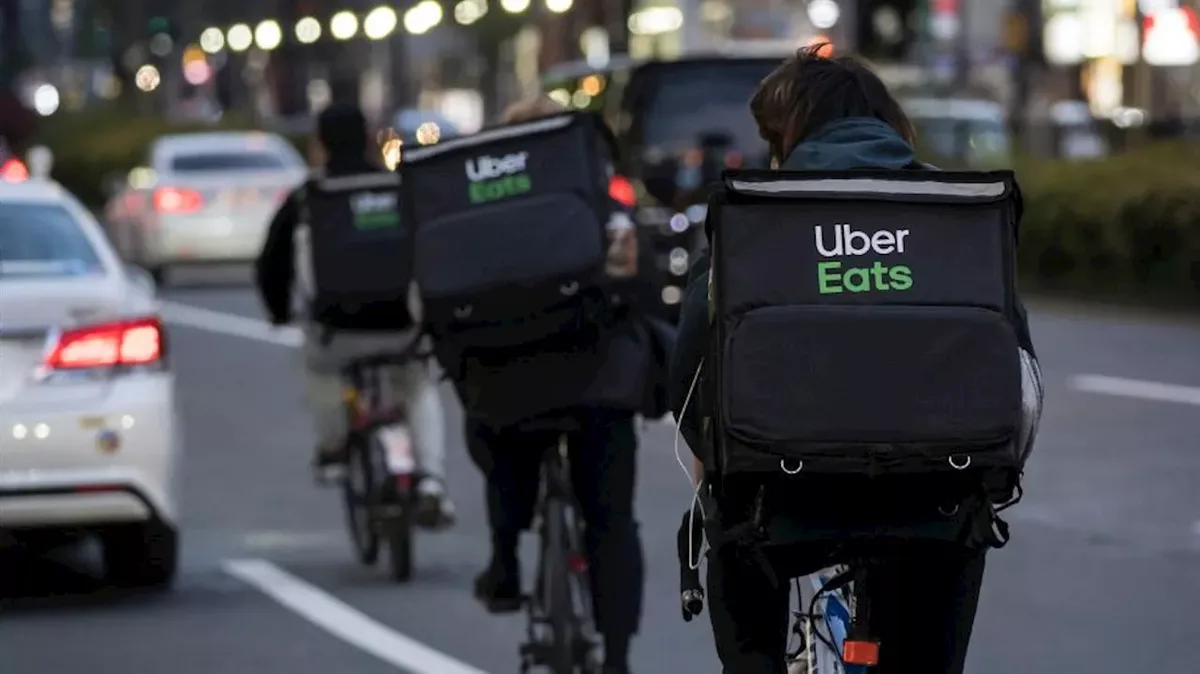
Seattle's gig worker minimum wage law is taking heat again, and the core argument against it is as old as economics itself: when prices rise, demand falls. That's the blunt message critics like Curley are hammering home, warning that well-intentioned policy is quietly hurting the workers it was designed to protect.
The logic is straightforward for anyone who's ever taken Econ 101. Force platforms to pay gig workers more, and those platforms pass the cost to consumers. Consumers order less, tip less, or ditch the app entirely. The result? Fewer jobs, fewer hours, and less total income for the drivers and couriers the law was meant to lift up.
Read more White House Has No Democratic Picks for SEC and CFTC Seats →
It's a tension that cities across the country are wrestling with as the gig economy matures. Seattle positioned itself as a progressive leader on worker pay, but the unintended consequences argument is gaining traction. Critics contend the mandate functions more like a demand tax than a wage floor, punishing activity rather than rewarding labor.
For retail traders and market watchers, the broader signal matters: regulatory risk in gig-economy stocks tied to urban markets isn't theoretical. Local mandates like Seattle's can directly compress order volume and squeeze margins for companies like DoorDash, Uber Eats, and Lyft — names already under pressure from investors demanding a path to profitability.
This debate isn't going away. As more cities eye similar legislation, the Seattle experiment becomes a live case study in whether minimum wage logic translates cleanly to platform-based, on-demand work. Continue reading at headtopics (mynorthwest).