Single-Stock ETFs Are Pushing Leverage to Its Limits
The ETF market has evolved far beyond cheap index funds. Single-stock leveraged ETFs are now raising serious risk red flags.
The ETF revolution started simple: low-cost, tax-efficient funds that tracked broad indexes. You bought the market, paid almost nothing in fees, and went home. That era isn't dead, but it's getting crowded out by something wilder — single-stock leveraged ETFs that let traders bet two or three times on a single company's daily move.
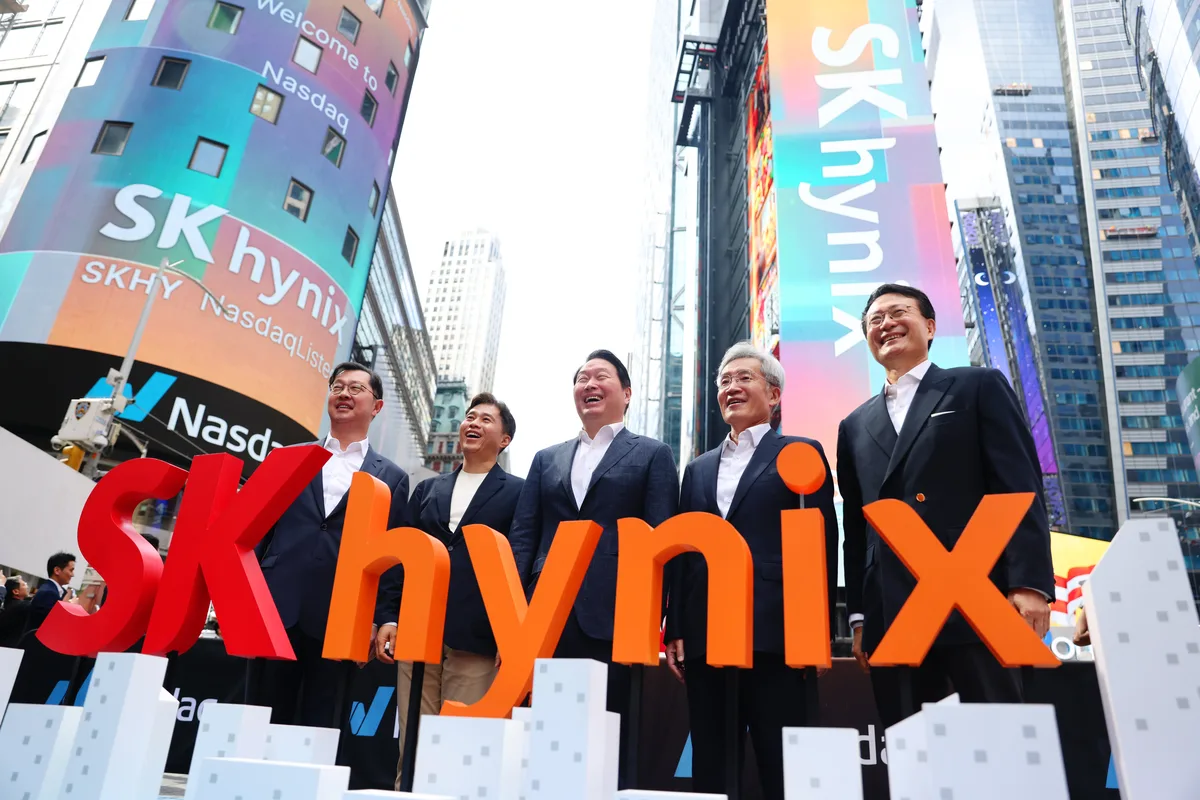
SK Hynix is the latest name thrown into this machine. The South Korean chipmaker joins a growing list of individual stocks now wrapped inside leveraged ETF structures aimed squarely at retail traders chasing amplified returns. It's a long way from an S&P 500 index fund.
Read more Apple Stock Hits Record Highs by Playing the AI Game Its Way →
The concern here isn't just volatility. Leverage in single-stock ETFs compounds in ways that quietly destroy value over time — a dynamic called "volatility decay" that hits hardest when a stock whipsaws. You can be right about the direction and still lose money. That's a trap a lot of new ETF buyers don't see coming.
Industry watchers are now flagging that the leverage embedded in these products has gotten, in their own words, "a little carried away." When that kind of language starts coming from inside the ETF world itself, it's worth paying attention. The product innovation isn't slowing down, which means the risk embedded in everyday brokerage accounts is quietly creeping higher.
The core ETF market remains one of the greatest wealth-building tools ever created for ordinary investors. But the single-stock leveraged corner of it? That's a different game entirely — one with casino-level stakes dressed up in familiar ETF packaging. Continue reading at US Top News and Analysis.