Single-Stock ETFs Are Pushing Leverage to the Breaking Point
The ETF market has evolved far beyond low-cost index funds. Single-stock leveraged ETFs are raising serious red flags.
You remember what ETFs were supposed to be. Cheap. Boring. Tax-efficient. A smarter way to buy the whole market without paying some fund manager to underperform it. That was the original promise, and it delivered. But that's not what the ETF market looks like anymore.
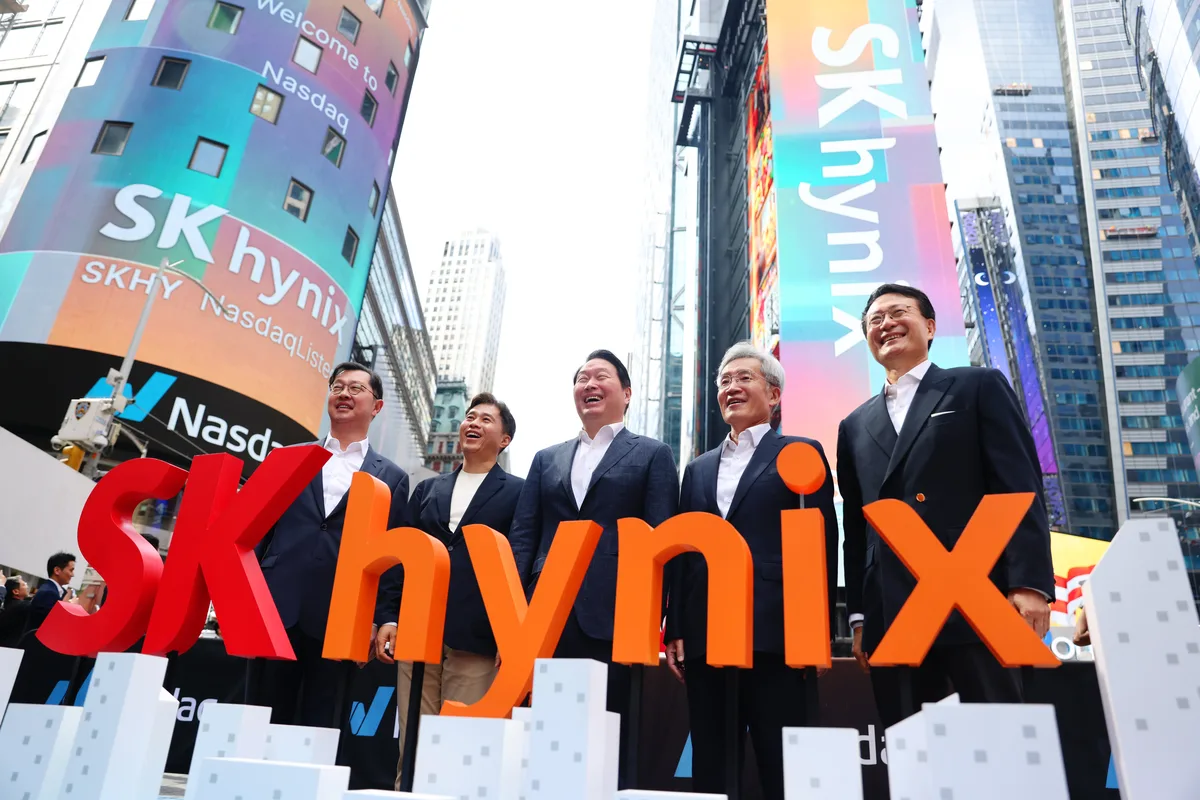
Now single-stock ETFs are the wild frontier, and SK Hynix is the latest name getting the treatment. These products let traders pile into leveraged bets on individual companies through an ETF wrapper — instruments that were never designed to carry this kind of risk. What started as a tool for disciplined long-term investors has morphed into a vehicle for amplified speculation on single names.
Read more Apple Stock Hits Record Highs by Playing the AI Game Its Way →
The concern isn't just philosophical. Leverage inside these structures is getting, in the words of market observers, "a little carried away." When you stack leverage on top of a single stock — already a concentrated, volatile position — you're compounding risk in ways that can unwind violently and fast. These aren't diversified funds with natural shock absorbers. One bad earnings print, one geopolitical headline, and the damage is extreme.
The ETF wrapper gives these products a veneer of legitimacy and accessibility. Retail traders can buy them in any brokerage account, no margin approval required. That's exactly what makes the leverage creep dangerous. The guardrails that exist in traditional margin trading simply don't apply here, and most buyers don't fully grasp what they're holding until it's too late.
This isn't a call to avoid all ETFs — far from it. But if you're eyeing a leveraged single-stock ETF on SK Hynix or any other name, understand what you're actually buying. The structure may look familiar. The risk profile is anything but. Continue reading at US Top News and Analysis.