SpaceX ETF Swings Expose the Dangers of Leveraged Single-Stock Bets
SpaceX shares surged at debut then cratered, hammering traders who used leveraged ETFs to amplify their bets.
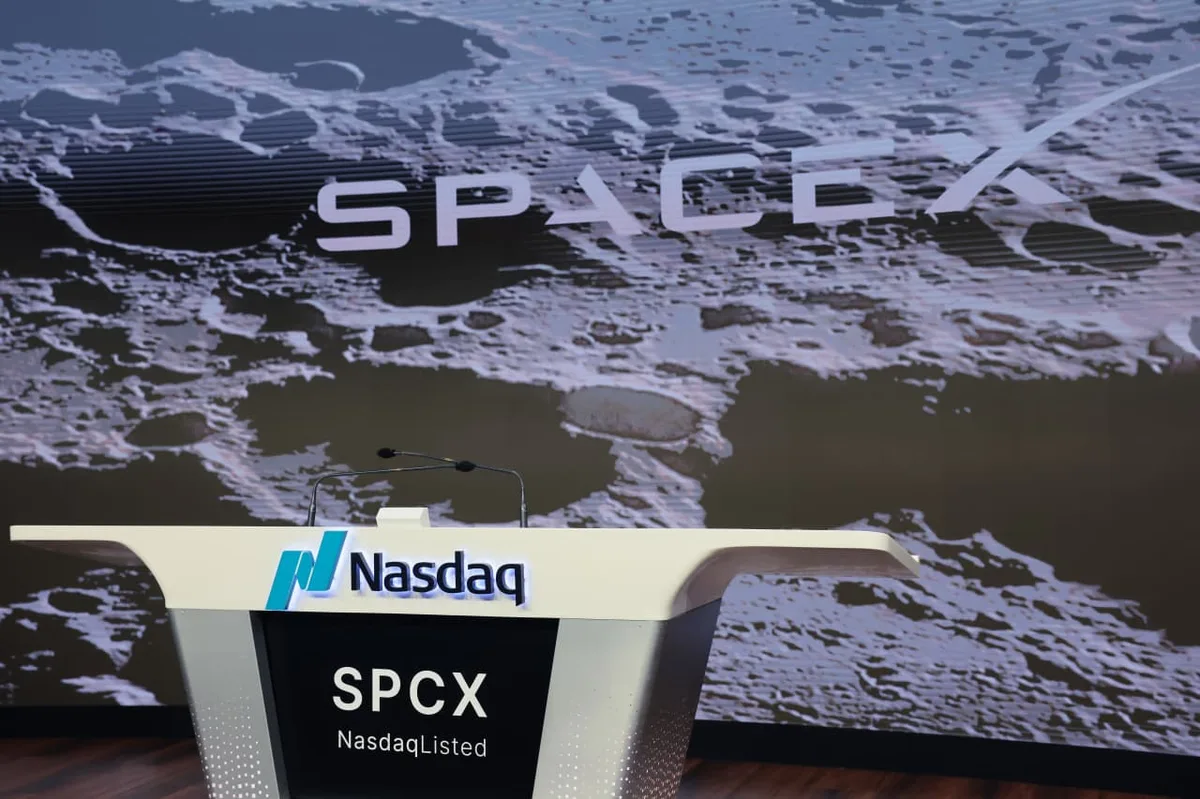
If you chased SpaceX on its market debut, you already know the pain. The stock popped hard out of the gate — then reversed fast enough to leave leveraged ETF holders nursing serious losses in a matter of days. That's the trap: leverage cuts both ways, and single-stock ETFs don't forgive slow reactions.
Leveraged single-stock ETFs are designed to deliver two or three times the daily return of one underlying name. When a high-volatility rocket stock like SpaceX whips around, those multipliers turn normal drawdowns into portfolio disasters. Decay from daily rebalancing makes holding these instruments through a downturn even more punishing than the raw percentage drop implies.
Read more Prediction Markets Raise Insider Trading Red Flags for Wall Street →
The SpaceX episode is a textbook case study in FOMO-driven positioning. Retail traders piled in during the IPO buzz, expecting the momentum to carry. It didn't. The hype cycle compressed into days instead of weeks, and anyone holding a 2x or 3x product on the way down got hit harder than the headline stock price suggested.
The lesson isn't to avoid SpaceX or even leveraged ETFs altogether — it's to size positions knowing that the downside is amplified just as aggressively as the upside. If you can't stomach watching a position drop 40% while the underlying stock drops 20%, leveraged single-stock products simply aren't your instrument. Volatility is the product's feature, not a bug, and the market just demonstrated that with brutal efficiency.
Continue reading at MarketWatch.com