SpaceX Slump Pushes Major Space ETF to Worst Month in 6 Years
A so-called 'investment coma' in SpaceX is hammering a top space ETF, marking its ugliest monthly stretch since 2019.
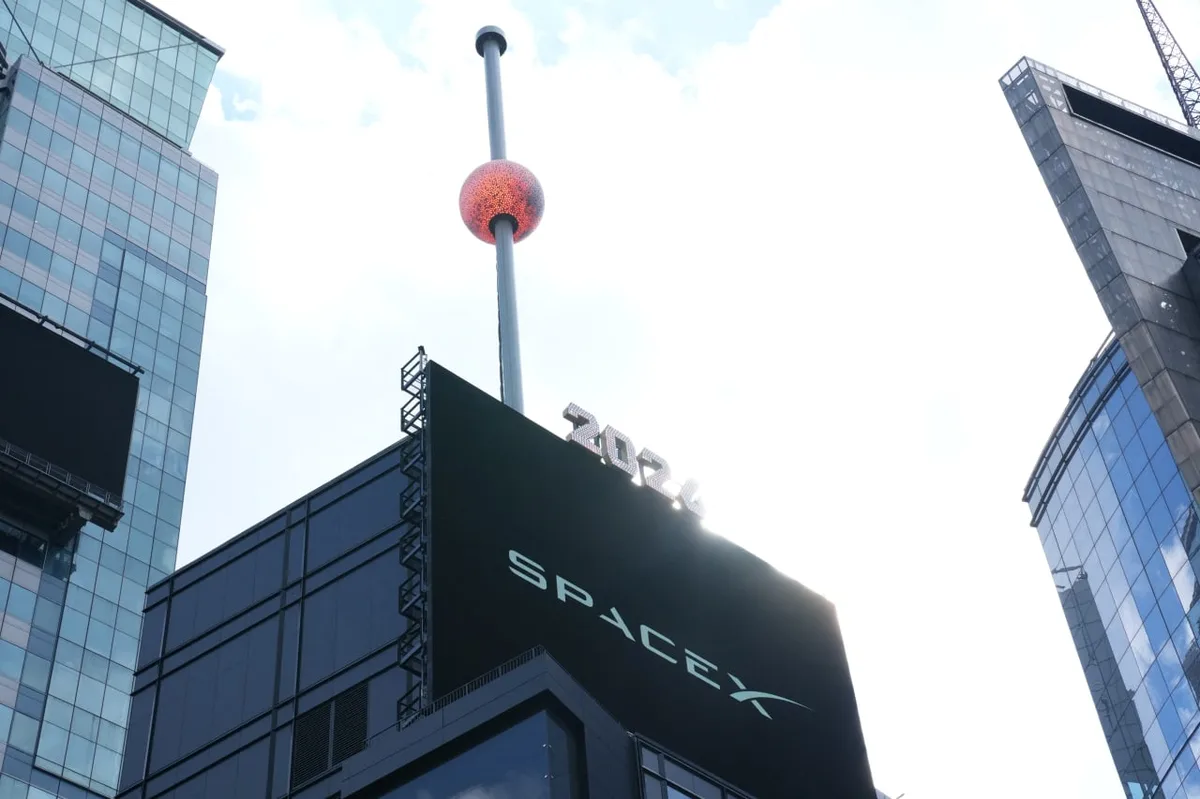
If you're holding a space ETF right now, this month stings. One of the sector's biggest funds is on track for its worst monthly performance in six years, and the culprit is clear: SpaceX exposure has turned into dead weight.
Analysts are calling it an "investment coma" — a state where SpaceX-linked holdings simply aren't moving in the right direction, dragging down the broader fund. Investors who piled into space plays expecting rocket-fuel returns are now getting a crash course in what volatility actually looks like when the hype cycle cools.
Read more Prediction Markets Raise Insider Trading Red Flags for Wall Street →
The ugly truth? Space stocks were always going to be a bumpy ride. These aren't blue-chip dividend payers. They're high-beta, narrative-driven names that can rip higher on a successful launch and crater on anything less than perfection. That's the trade you signed up for when you bought the ETF.
The lesson here is portfolio sizing. If space is your moonshot bet, it should be sized like one — a small slice of a diversified book, not a core holding. When one dominant name like SpaceX drives sentiment for the whole fund, concentration risk stops being theoretical and starts showing up in your account balance.
Bottom line: volatility is the price of admission in emerging-tech sectors. If this month's drawdown has you sweating, your position is probably too big. Right-size it, or accept the ride. Continue reading at MarketWatch.com