Strait of Hormuz Risk Jumps to Severe as Iran Targets Tankers
Iran is threatening ships that skip its approved northern route, sending Hormuz threat levels to severe and rattling oil markets.
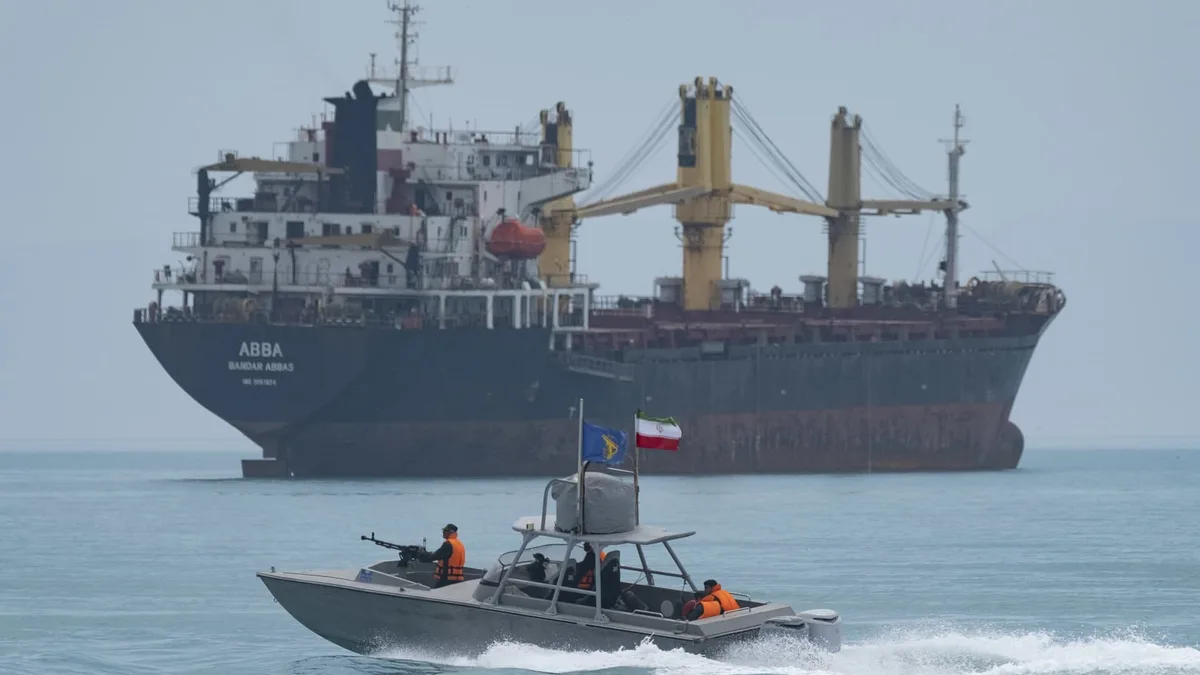
The Strait of Hormuz just got a lot hotter. Iran's military has officially raised the threat level in the waterway to "severe" after attacking tankers that traveled along a U.S. Navy-patrolled route instead of the Tehran-approved northern corridor. If you trade oil, shipping, or anything tied to Middle East supply chains, pay attention.
Tehran is drawing a hard line: use our route, or face the consequences. That's not a vague warning — it's backed by actual attacks on vessels. The Strait of Hormuz handles roughly a fifth of the world's oil supply, so any credible disruption there hits global energy prices fast and hard.
Read more Prediction Markets Raise Insider Trading Red Flags for Wall Street →
For traders, this is a potential volatility catalyst hiding in plain sight. Energy names, tanker stocks, and defense contractors could all move on fresh escalation headlines. The market has a short memory on Hormuz threats, but when Iran starts shooting, that memory gets refreshed in a hurry.
The pressure also lands squarely on U.S. naval forces already operating in the region. Washington isn't going to quietly reroute commercial traffic through an Iranian-sanctioned corridor — that's a political non-starter. Which means the standoff between U.S. Navy presence and Iranian enforcement posture isn't going away anytime soon.
Watch crude futures and shipping insurance rates as your real-time risk barometers here. If either spikes sharply, the market is pricing in something the headlines haven't fully caught up to yet. Continue reading at CNBC.