Sub-$100 Smartphones Are Disappearing as AI Drives Up Memory Costs
Budget phones under $100 are vanishing globally, including China, as AI-driven memory price hikes squeeze the low end of the market.
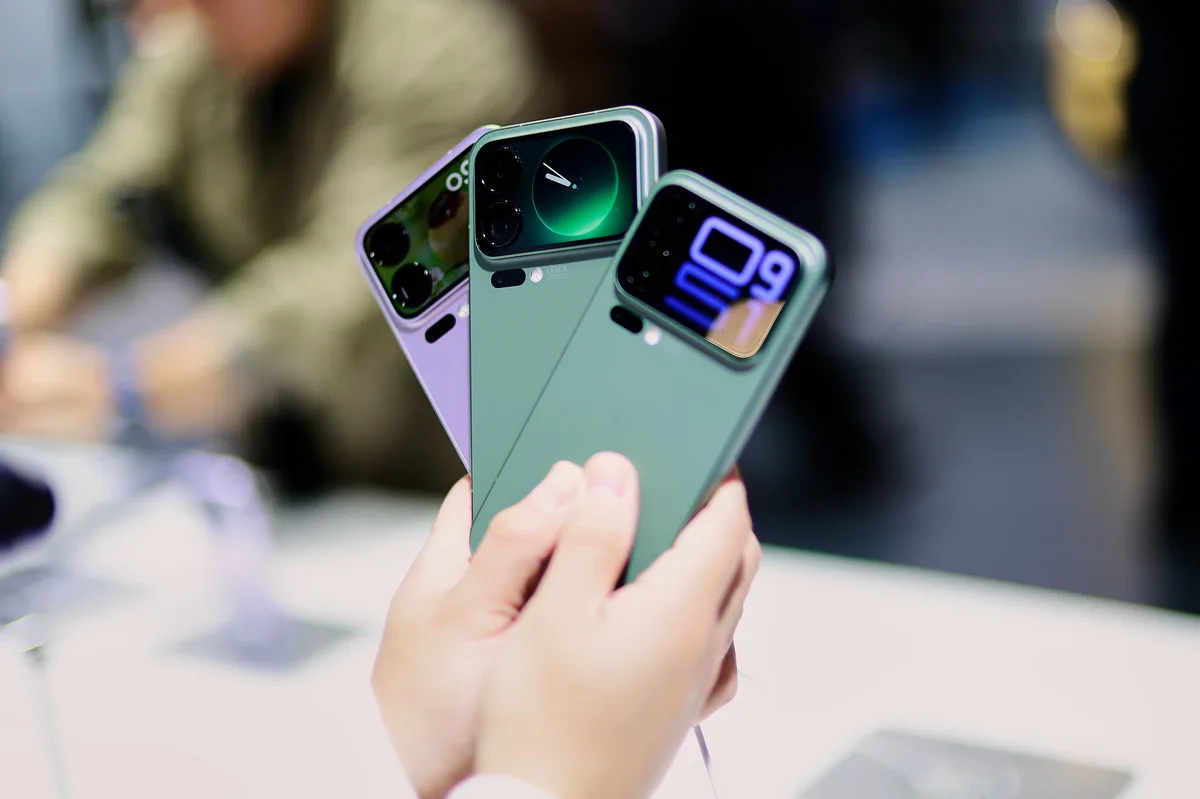
Forget hunting for a deal in the smartphone aisle. The era of the sub-$100 handset is closing fast, and if you've been waiting to snag a cheap backup phone, your window is shrinking. Rising memory prices — pushed higher by surging demand for AI-capable hardware — are gutting the economics that once made ultra-budget devices possible.
This isn't just a US phenomenon. Even China, the world's most competitive smartphone market and the historic engine of cheap consumer electronics, is feeling the squeeze. When budget phones start disappearing from Chinese shelves, that's a signal the trend is structural, not cyclical. Manufacturers simply can't absorb the input cost increases and still hit that magic $99 price point.
Read more How Tim Cook's $879B Bet Transformed Apple's Fortune →
The culprit is AI. As smartphone makers race to bake artificial intelligence features into their devices, demand for faster, denser memory chips has exploded. That pushes up component costs across the board — including for the entry-level chips that once kept bargain handsets alive. The math stops working below a certain price floor, and that floor is rising.
For budget-conscious consumers and emerging-market buyers, this is a real squeeze. The sub-$100 phone was never glamorous, but it was a lifeline for millions who needed basic connectivity without breaking the bank. Watch this space — if memory prices stay elevated, the entry-level smartphone category could get permanently repriced into the $120-to-$150 range, reshaping who can afford to stay connected.
Continue reading at US Top News and Analysis