U.S. Strikes Iran Amid Ceasefire Talks Over Hormuz Tensions
Washington launched strikes on Iran after Trump accused Tehran of violating a 60-day no-hostilities agreement tied to ongoing nuclear negotiations.
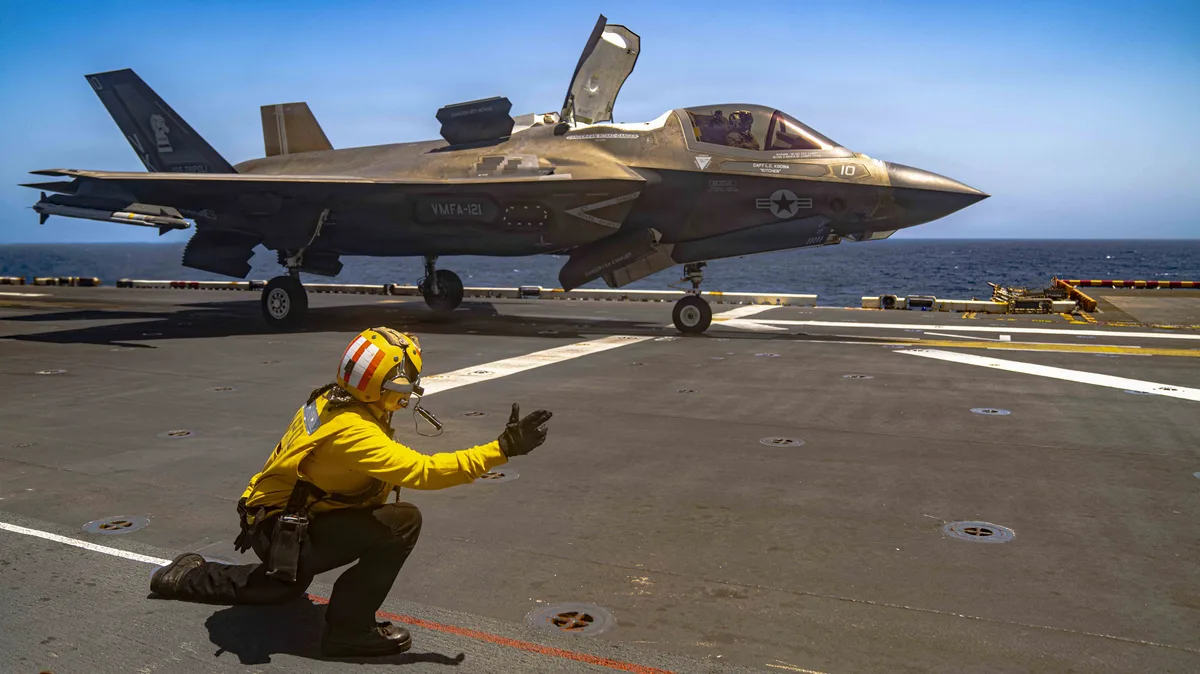
The U.S. military hit Iranian targets even as both nations were supposed to be inside a 60-day ceasefire window designed to create space for diplomatic talks. Trump publicly accused Tehran of breaking that agreement in the Strait of Hormuz — one of the world's most critical oil chokepoints — before ordering the strike. That sequence matters: the White House is framing this as a response, not an escalation.
The Strait of Hormuz is the pressure point you need to watch. Roughly 20% of global oil supply moves through that narrow passage. Any sustained military exchange in that corridor sends energy markets into immediate chaos, and traders who aren't positioned for an oil spike right now are flying blind.
Read more White House Has No Democratic Picks for SEC and CFTC Seats →
Diplomatically, this is a serious rupture. When you launch kinetic strikes during active ceasefire negotiations, you're not just breaking a deal — you're torching the table. Whether Tehran walks away from talks entirely or uses this as leverage to extract concessions is the open question that will define the next phase of this standoff.
Markets will react fast and hard to any follow-up moves from Iran. Watch crude, defense stocks, and safe-haven assets like gold and Treasuries at the open. This isn't background noise — it's a front-burner geopolitical risk event with direct tradeable implications.
Continue reading at US Top News and Analysis.