USMCA Uncertainty Puts US Auto Industry on Edge
Without a USMCA extension, automakers face mounting risk over rules of origin that determine which vehicles qualify for trade benefits.
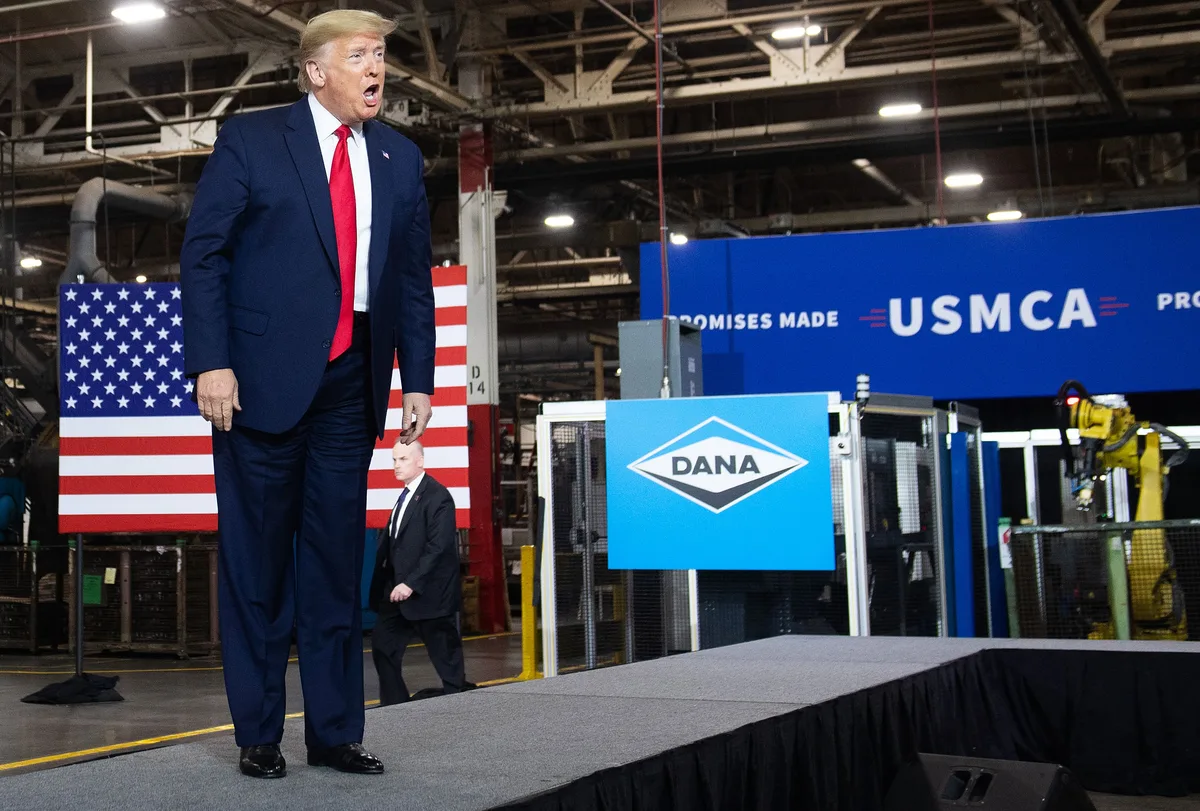
The US auto industry is staring down a serious threat, and it's not a recession or a demand slump — it's a trade deal hanging in the balance. The United States-Mexico-Canada Agreement, better known as USMCA, is up for review, and without an extension, automakers could be flying blind on costs, supply chains, and pricing for years to come.
At the heart of the tension are rules of origin — the fine print that decides where a product is officially "from" and whether it qualifies for preferential tariff treatment. For automakers, this isn't just bureaucratic noise. These rules determine whether a vehicle assembled in Detroit, with parts sourced across North America, gets a tariff break or a nasty surprise at the border.
Read more Coinbase Legal Chief Grewal Exits After SEC Battle Ends →
Uncertainty alone is enough to hurt the industry. When manufacturers can't predict their cost structure, they delay investment decisions. New plants, new models, new supply chain partnerships — all of it gets put on ice while executives wait to see how the trade landscape shakes out. That hesitation has real consequences for jobs and competitiveness.
The stakes are especially high because North American auto production is deeply integrated. Components cross borders multiple times before a finished vehicle rolls off the line. Any disruption to the preferential trade framework baked into USMCA doesn't just sting one company — it ripples across the entire supply chain, hitting suppliers large and small.
If you're trading auto stocks or watching the sector, this is the kind of macro risk that doesn't show up in earnings calls until it's already too late. Keep USMCA on your radar. Continue reading at US Top News and Analysis.