Venmo for College Tuition: Convenient or Costly Mistake?
Some universities now accept Venmo for tuition payments. Here's what you need to know before you tap 'send.'
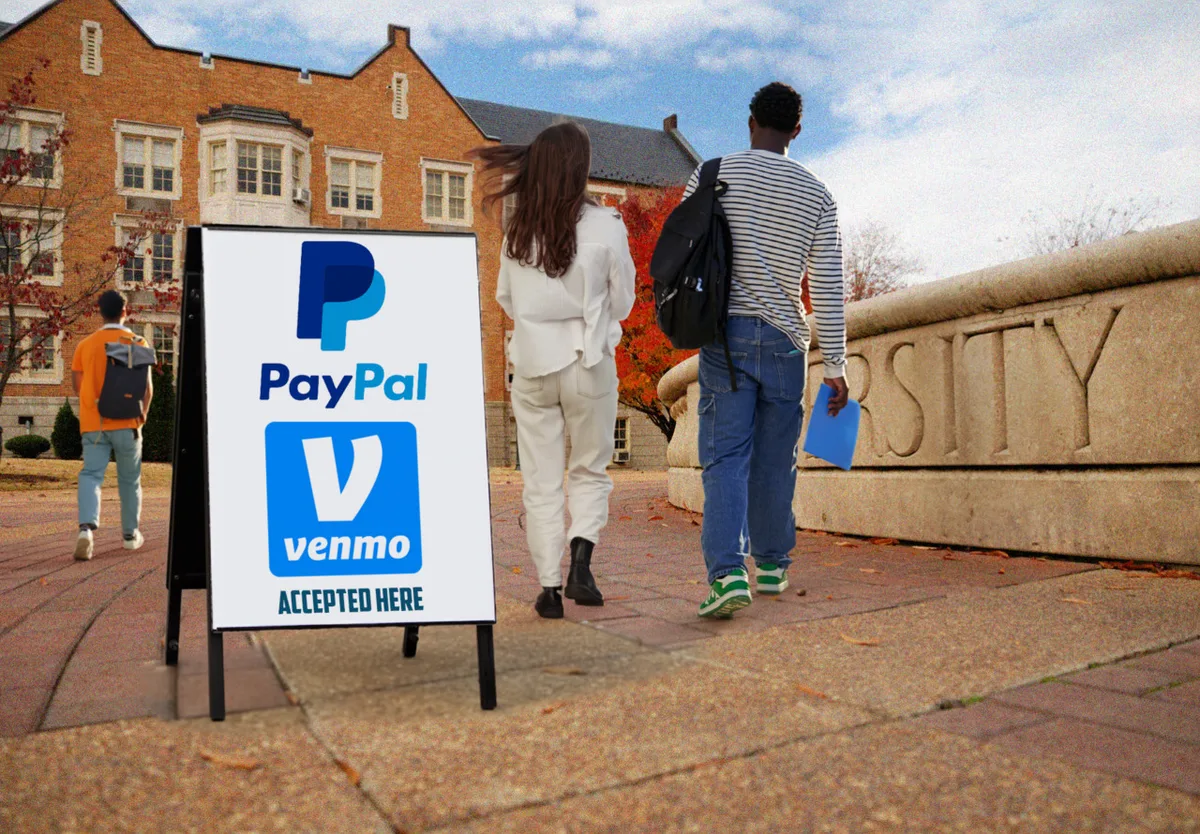
Paying college tuition just got a lot more casual — at least on the surface. Some universities are now accepting Venmo as a legitimate tuition payment method, a move driven by growing consumer demand for flexible, app-based spending options. It sounds convenient. But before you fire off a payment with a pizza emoji, slow down.
Venmo was built for splitting dinner tabs, not five-figure education bills. The platform does offer a business payment tier, and universities adopting it likely have structured integrations in place — but that doesn't mean there aren't fees, transfer limits, or processing quirks that could bite you at the worst possible moment. Miss a tuition deadline because a Venmo transfer pended? That's a problem no one needs.
Read more Managing a Parent's POA, Estate, and Trust: Know Your Limits →
From a personal-finance standpoint, there's also the opportunity cost angle. If you're paying tuition by credit card through a platform that charges a convenience fee, you could be losing more than you're earning in rewards points. With Venmo, you want to confirm exactly how the transaction gets classified — and whether you're eating a percentage fee that a standard bank transfer would avoid entirely.
The broader trend here is real: schools are under pressure to modernize payment infrastructure as younger parents and students expect the same frictionless experience they get from every other app in their lives. More universities will follow. That's not inherently bad — but the burden is on you to read the fine print before your next tuition due date rolls around.
Continue reading at MarketWatch.com