Why 'Buy the Dip' Consensus on Wall Street Is a Red Flag
When everyone agrees a strategy works, it stops working. Wall Street's dip-buying obsession may signal exactly that.
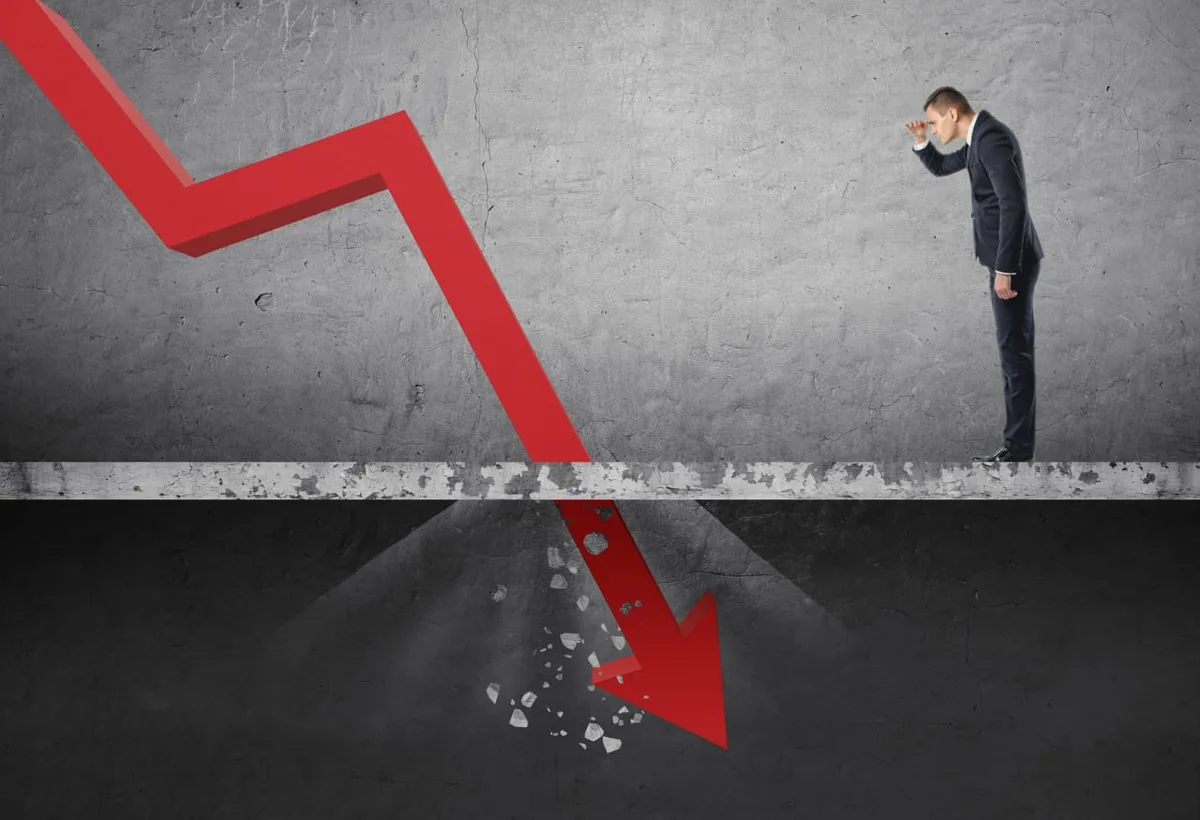
When every trader on the Street is running the same playbook, that playbook is already broken. Buy-the-dip has gone from contrarian edge to conventional wisdom — and that shift should put you on alert.
Here's the brutal truth: strategies that feel like free money rarely are. According to MarketWatch, buying the dip actually underperforms the broader stock market over the long run. That's not a typo. The move that feels smart, disciplined, and opportunistic trails a plain vanilla buy-and-hold approach when you zoom out far enough.
Read more Prediction Markets Raise Insider Trading Red Flags for Wall Street →
The reason is psychological as much as mathematical. Dip-buying rewards you just often enough to keep you hooked. You catch a bounce, you feel like a genius, you do it again. But you're also sitting in cash waiting for those dips — and cash is a drag. Meanwhile, the market keeps climbing in between your perfectly timed entries that weren't actually that perfectly timed.
The real danger right now isn't that dip-buying is a bad idea in isolation. It's that universal conviction in any single strategy creates crowded trades, compressed recoveries, and ultimately bigger drawdowns when sentiment finally flips. When everyone is a buyer on the way down, who's left to buy when it actually matters?
Be honest with yourself about whether you're executing a disciplined strategy or just chasing a feeling. The crowd consensus on Wall Street is rarely your friend — and right now, the crowd is all-in on dips. Continue reading at MarketWatch.com