Why Downsizing in Retirement Makes Sense Even Debt-Free
Owning a paid-off home sounds like the dream, but downsizing in retirement can still be the smarter financial move.
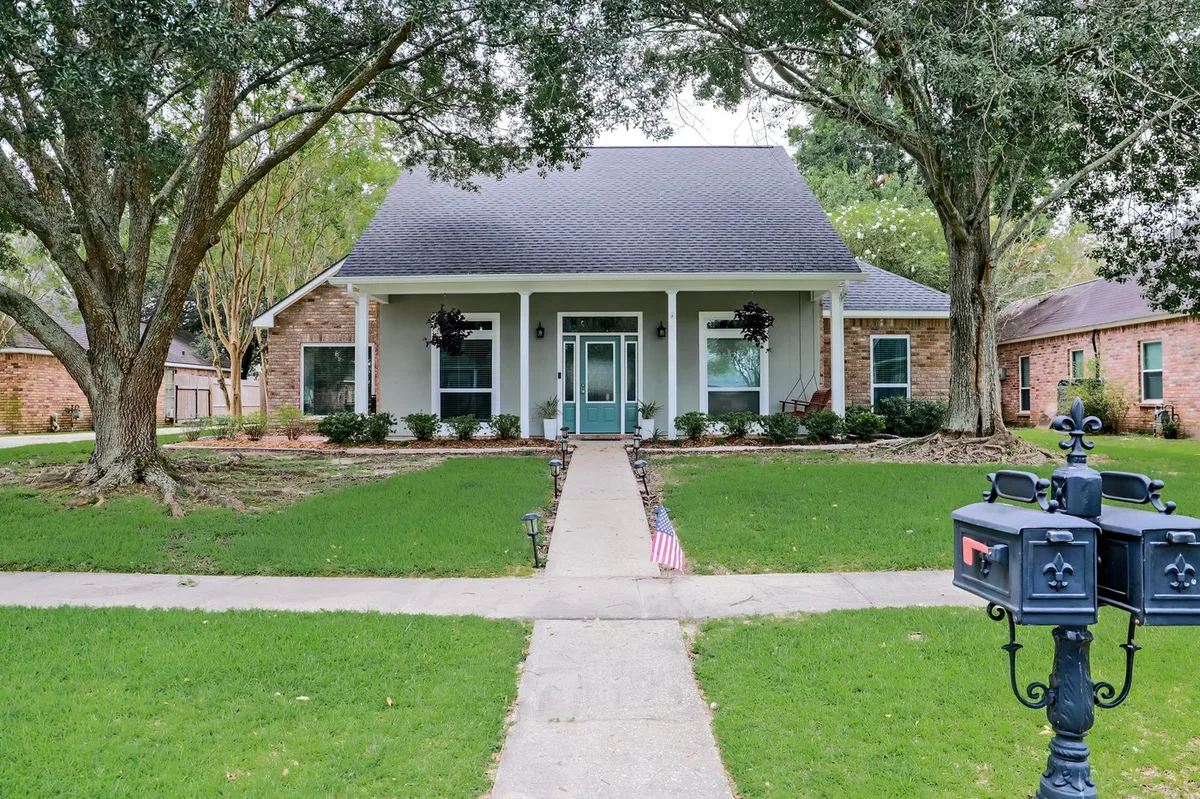
A paid-off mortgage feels like the finish line. No monthly payment, no lender breathing down your neck — just equity sitting there like a trophy. But here's the contrarian take: owning a large, debt-free home in retirement can quietly drain your finances in ways most people don't see coming.
The first reason to downsize is maintenance costs. A bigger house means bigger repair bills, higher property taxes, and steeper utility costs. In retirement, those recurring expenses eat directly into your fixed income. You're not building equity anymore — you're just burning cash to preserve a structure you may not fully use.
Read more Hidden Car Costs Add $5,851 a Year Beyond Your Loan Payment →
Second, liquidity matters more than most retirees admit. Your home equity is trapped unless you sell or borrow against it. Downsizing converts that frozen asset into spendable, investable capital. Even a modest price difference between your current home and a smaller one can fund years of retirement living or supercharge your portfolio at exactly the right time.
Third, lifestyle alignment is real. A four-bedroom colonial made sense when kids were running the halls. In retirement, that extra square footage becomes a burden — more to clean, more to insure, more to heat. A smaller space often means a simpler, lower-stress life, and that's worth pricing in even if the spreadsheet doesn't always show it cleanly.
The bottom line: your paid-off home is an asset, not an obligation to stay. Treating it like one could be one of the best financial moves you make in retirement. Continue reading at Yahoo Finance.