AI Is Gutting Cover Letters — Here's When to Still Write One
Cover letters are dying fast thanks to AI, but scrapping them entirely could cost you the job. Know when they still matter.
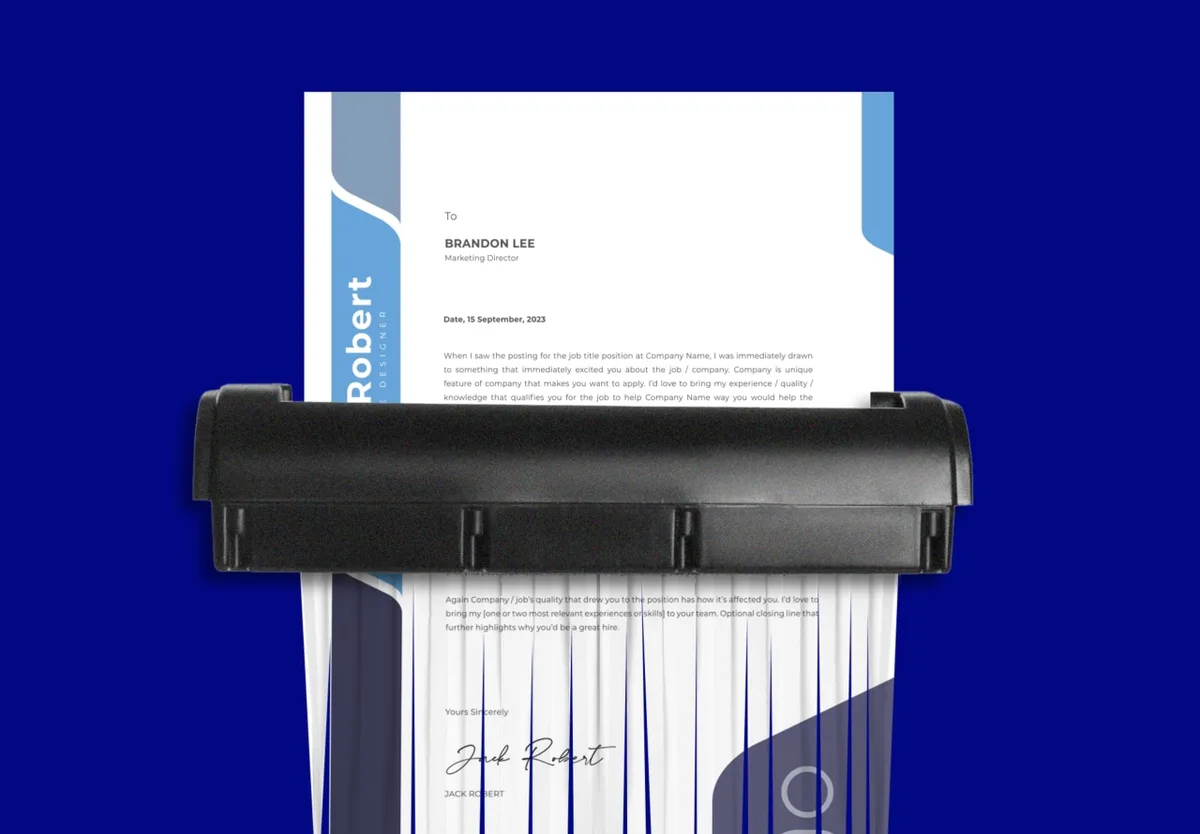
The cover letter is on life support, and AI is holding the plug. Hiring managers are drowning in AI-generated applications that all sound the same — polished, hollow, and completely forgettable. One blunt industry take sums it up: for nearly everyone outside of AI providers, the hiring process is flat-out broken right now.
Here's the tradeable insight: that brokenness cuts both ways. Yes, AI is flooding inboxes with cookie-cutter cover letters nobody reads. But that also means a *genuine*, well-crafted cover letter stands out harder than it has in years. Scarcity creates value — basic supply and demand.
Read more Canada June CPI Cools to 2.8%, Beating Estimates on Gas Relief →
So when do you actually send one? When the job posting explicitly asks for it, send it — skipping it signals you can't follow instructions. When you have a specific connection to the company or role that your résumé can't convey alone, use that real estate. And when you're making a career pivot, a cover letter is your only shot to frame the narrative before someone else does it for you.
The mistake most job seekers make is treating the cover letter like a résumé recap. It isn't. It's your pitch. Lead with why *this* company, *this* role — not a laundry list of your accomplishments. Hiring managers can smell a ChatGPT boilerplate from line one, and it actively hurts you in roles where communication skills are the whole job.
Bottom line: don't waste time writing one for every application — that's a losing strategy in a high-volume market. Be selective, be human, be specific. That's your edge. Continue reading at MarketWatch.com