Fed Dissenters Push for Rate Hikes to Fight Inflation Now
Three Fed officials broke ranks to demand rate hikes, signaling growing internal pressure to act on stubborn inflation.
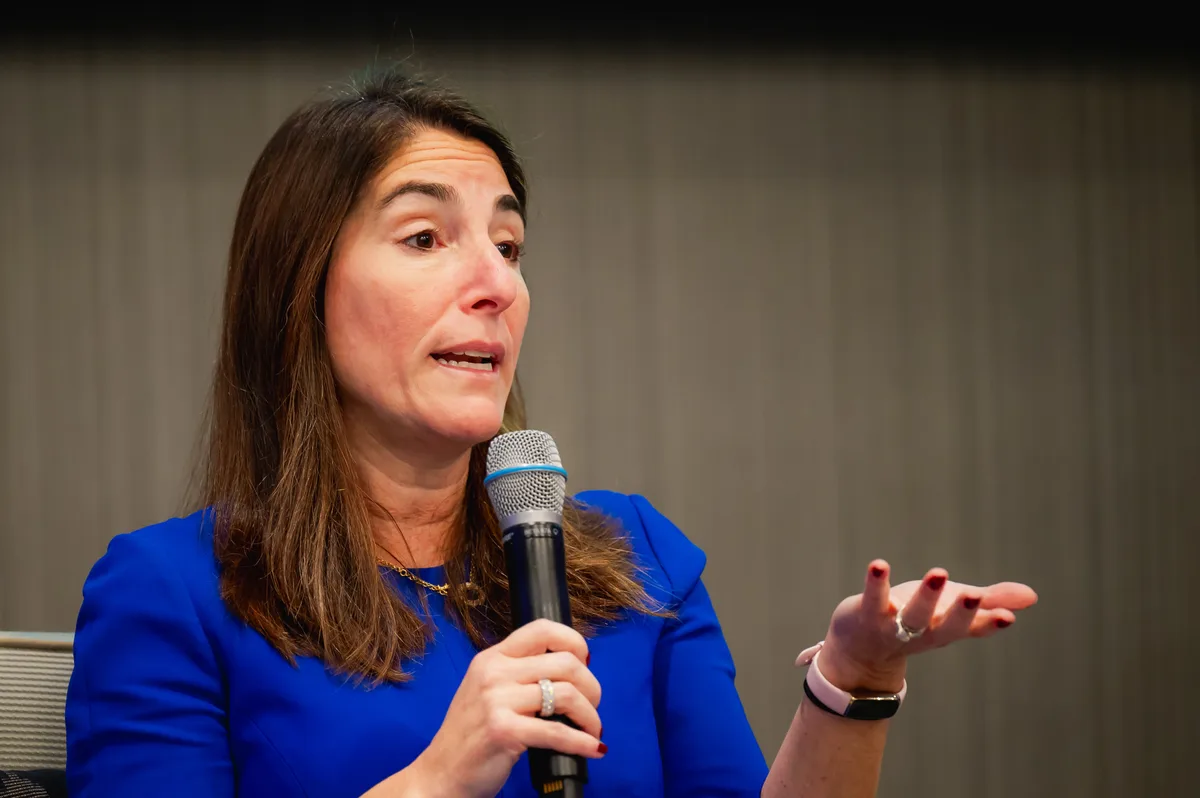
The Federal Reserve's inflation hawks are getting louder — and they're putting their votes where their mouths are. Minneapolis Fed President Neel Kashkari and Cleveland Fed President Beth Hammack joined Dallas Fed President Lorie Logan in formally dissenting against the decision to hold the Fed's key overnight borrowing rate steady. That's three officials on record saying holding is the wrong move.
Dissents at the Fed are rare. When three officials break from consensus at the same time, the market needs to pay attention. This isn't noise — it's a signal that the patience-first camp inside the Fed is losing ground to officials who think waiting longer only lets inflation dig in deeper.
Read more Nasdaq Climbs as Amazon Surges, Apple Drags on Weak Outlook →
For traders, this changes the calculus. A united Fed is easy to price in. A fractured one is not. If more voting members start leaning toward hikes, rate-sensitive assets — think bonds, real estate, and growth stocks — face real headwinds. The dissenters are essentially telling you: don't get too comfortable with the pause narrative.
The core argument from the dissenting camp is straightforward — action is needed now, not later. Inflation doesn't wait, and neither should policy. Whether this minority view becomes majority consensus depends on incoming data, but the internal debate is clearly heating up in a way that could move markets fast.
Continue reading at US Top News and Analysis