Hormuz Strait Deal Leaves Fertilizer Flows Still Stranded
The US-Iran truce may reopen oil lanes first, but fertilizer and other commodities could stay stuck in the strait far longer.
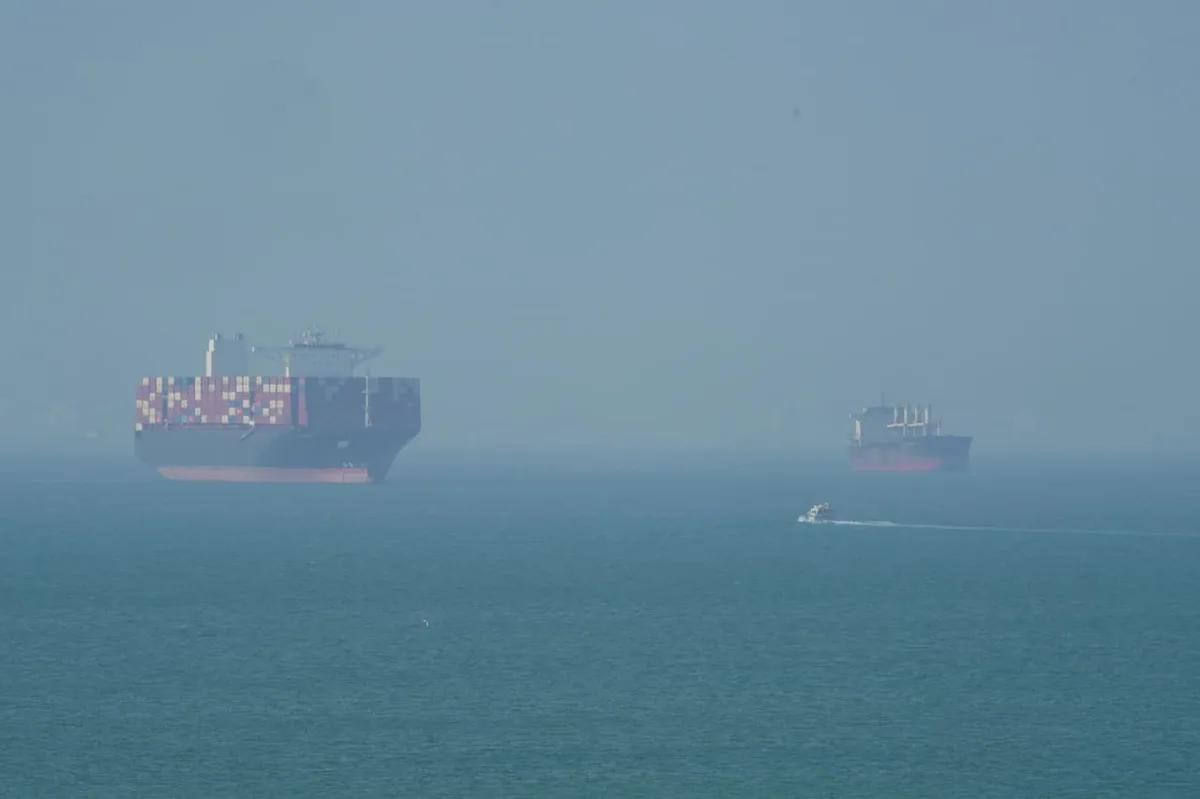
Don't pop the champagne yet if you're trading ag commodities. The interim peace deal between the U.S. and Iran has traders excited about crude flows resuming through the Strait of Hormuz — but that excitement may be premature for anyone watching fertilizer markets.
Here's the cold reality: oil appears to be first in line to move through the strait again. Everything else, including fertilizer shipments critical to global food production, is sitting in a holding pattern. The deal, as it stands, hasn't answered the hard questions about when non-crude products get the green light.
Read more Novig Scores CFTC Approval for Peer-to-Peer Sports Markets →
That gap matters enormously. Fertilizer supply chains are already stretched globally, and any extended blockage through Hormuz — one of the world's most critical maritime chokepoints — puts additional pressure on agricultural input costs. Farmers, food producers, and anyone exposed to crop prices should be paying close attention right now.
For traders, this is a split-screen situation. Energy desks may breathe easier if oil moves freely, but the ag side of the book stays under pressure until fertilizer flows normalize. The deal's ambiguity is itself a market signal — don't assume a blanket resolution just because headlines say "peace agreement."
The fine print on Hormuz access is still being written, and the sequencing of which commodities move first could drive divergent price action across sectors. Stay nimble. Continue reading at MarketWatch.com