Kevin Warsh Fed Expected to Hold Rates for Extended Period
CNBC's Fed Survey signals no rate changes ahead, with the easing bias likely stripped from the Fed's policy statement this week.
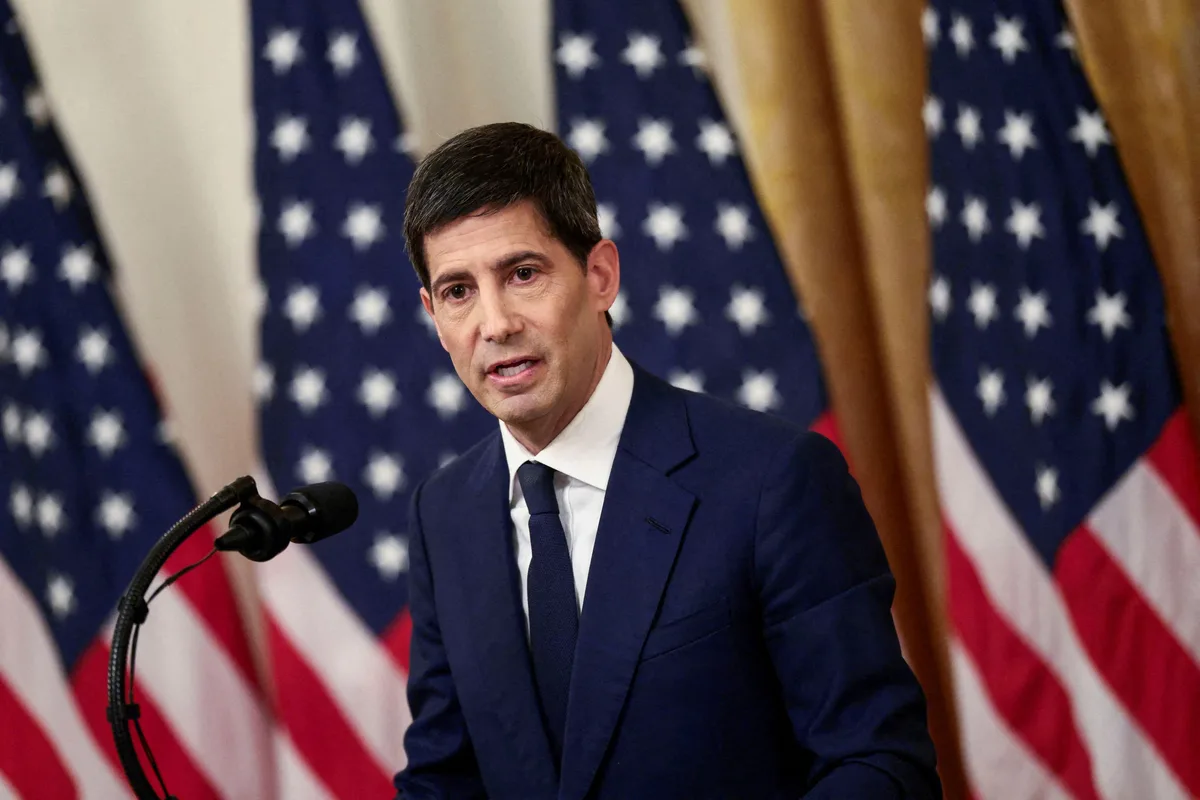
If you've been betting on a rate cut to bail out your portfolio, it's time to recalibrate. The latest CNBC Fed Survey makes it clear: Kevin Warsh's Federal Reserve isn't moving rates anytime soon, and the market needs to price that in.
Survey respondents broadly expect the Fed to hold steady at this week's meeting — no cut, no hike. More importantly, they anticipate the central bank will strip out the so-called easing bias from its official statement. That language had been quietly signaling that the Fed's next move would most likely be a reduction in rates. Removing it is a meaningful shift in tone.
Read more Novig Scores CFTC Approval for Peer-to-Peer Sports Markets →
That language tweak matters more than it sounds. When the Fed drops easing bias wording, it's essentially telling traders to stop leaning on the hope of cheap money. It's a subtle but deliberate reset of expectations, and it has real implications for rate-sensitive trades across equities, bonds, and real estate.
For active traders, the playbook changes here. A Fed that's on hold — and no longer hinting at cuts — keeps pressure on growth stocks and anything leveraged to falling borrowing costs. Meanwhile, the dollar could find support, and short-duration bonds start looking more attractive relative to long-end exposure. Read the room and position accordingly.
The bigger question is how long "a while" actually lasts. The survey doesn't pin down a timeline, but the directional message is unmistakable: don't fight a Fed that's comfortable sitting still. Continue reading at US Top News and Analysis.