Iran Escalates Tanker Attacks Near Hormuz in Worst-Case Scenario
A deadly attack on the crude tanker Al Bahyah off Oman signals Iran is intensifying its assault on oil shipping through the Strait of Hormuz.
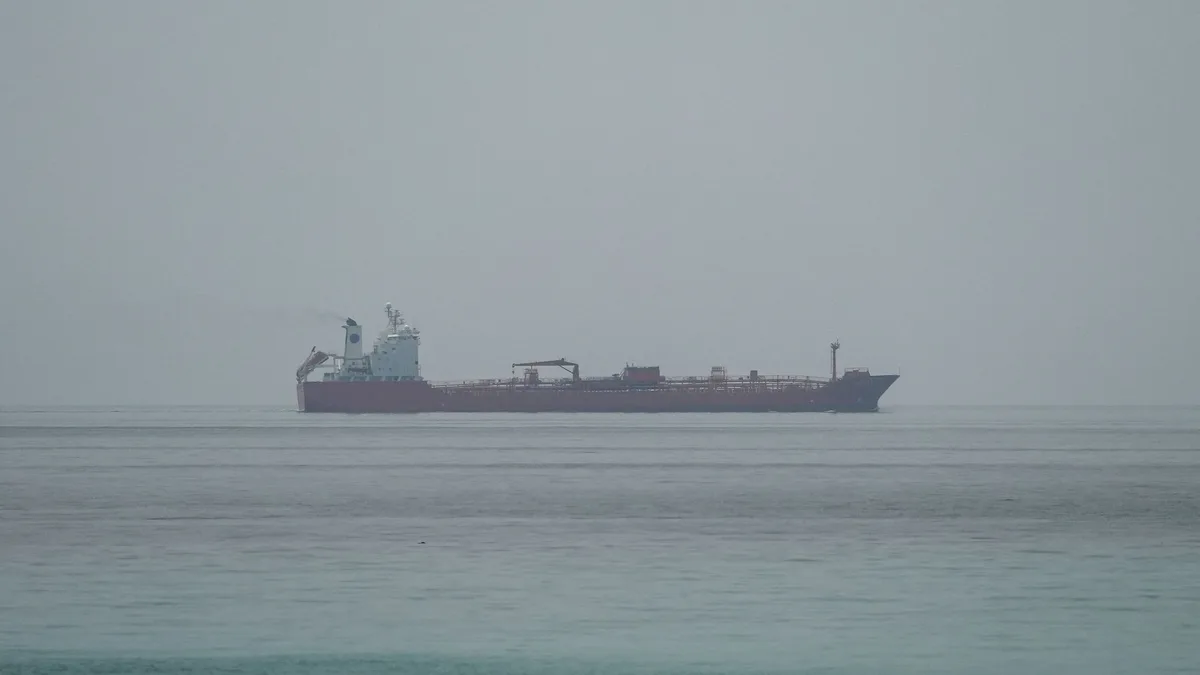
The Strait of Hormuz just got a lot more dangerous. One seafarer is dead and three others are wounded after the crude oil tanker Al Bahyah was struck off the coast of Oman on Tuesday — and maritime risk experts aren't sugarcoating what's happening out there.
A maritime risk CEO is calling this the "worst case scenario" for oil tankers operating in the region. That kind of language from someone whose entire job is threat assessment should get your attention fast. When professionals who price risk for a living reach for superlatives, the situation is serious.
Read more Nasdaq Climbs as Amazon Surges, Apple Drags on Weak Outlook →
Hormuz is the jugular vein of global oil supply. Something like 20% of the world's oil flows through that narrow chokepoint every single day. Any sustained Iranian campaign against tanker traffic there doesn't stay a regional story — it hits energy markets everywhere and lands directly in your gas tank and heating bill.
Iran stepping up attacks on commercial shipping raises the stakes for every vessel transiting the Persian Gulf and Gulf of Oman. Shippers, insurers, and energy traders are all recalculating exposure right now. War-risk premiums on tankers operating in the region were already elevated — expect those numbers to move higher in response to escalating incidents like this one.
This is a developing situation with real commodity-market implications. Keep it on your radar if you're trading energy futures, oil equities, or anything sensitive to a supply-shock narrative. Continue reading at US Top News and Analysis.