Iraq-Syria Oil Pipeline Deal Offers Hormuz Alternative
Iraq and Syria ink a pipeline agreement that could reroute Gulf oil flows and reduce dependence on the Strait of Hormuz.
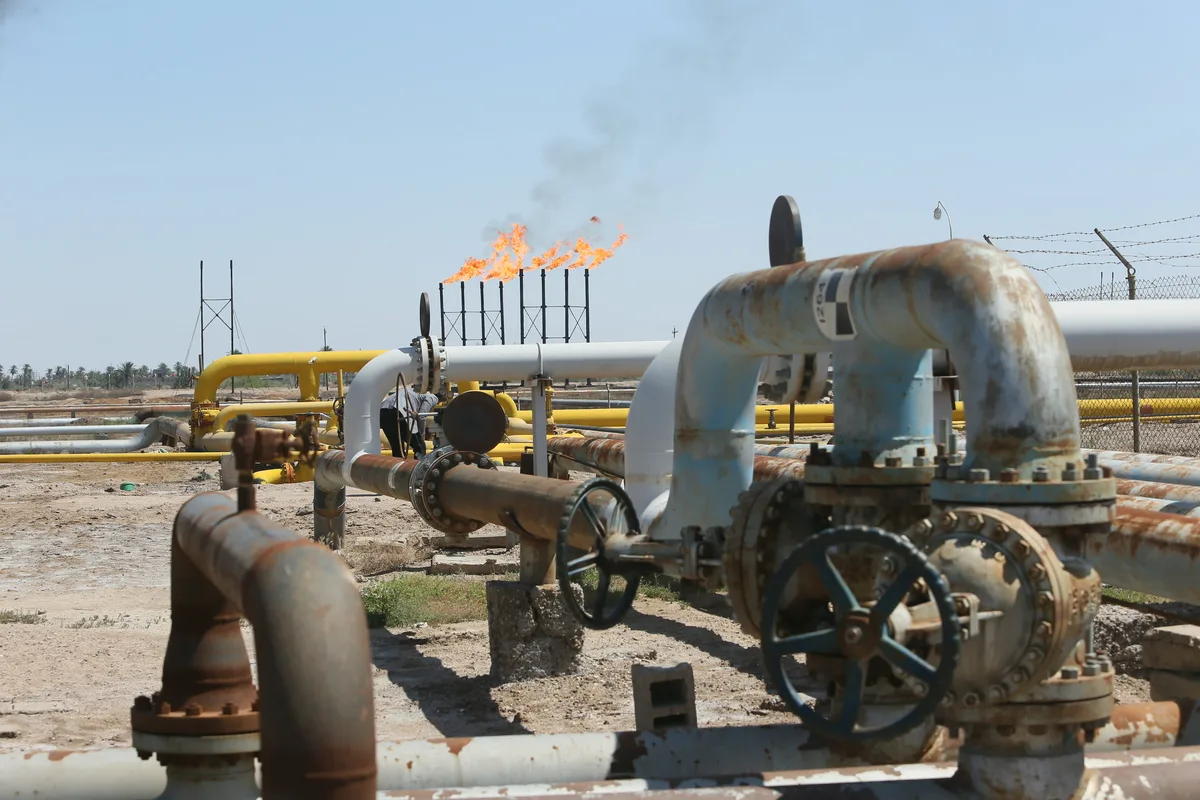
Iraq and Syria have signed an agreement to restore an oil pipeline that would create a meaningful alternative to the Strait of Hormuz — one of the world's most critical and vulnerable energy chokepoints. If you trade energy or care about Middle East geopolitics, this is a headline worth watching closely.
The timing is loaded. Iraqi Prime Minister Ali al-Zaidi is in Washington this week, sitting down with President Donald Trump at the White House on Tuesday. That meeting adds a distinct diplomatic layer to the pipeline news, signaling Iraq is playing multiple geopolitical angles at once — deepening regional energy ties while keeping lines open with Washington.
Read more Nasdaq Climbs as Amazon Surges, Apple Drags on Weak Outlook →
For traders, the Strait of Hormuz angle is the real story. Roughly 20% of the world's oil passes through that narrow waterway, making it a perennial flashpoint whenever U.S.-Iran tensions spike. A functioning Iraq-Syria pipeline would give Gulf producers at least a partial workaround, potentially capping some of the geopolitical risk premium that gets baked into crude prices during crises.
That said, "agreement" and "functioning pipeline" are two very different things. Syria has been ravaged by years of conflict, and infrastructure rebuilding in that environment is slow, expensive, and politically complex. Don't price this in as a near-term supply shift — but do keep it on your radar as a longer-term structural development in Middle East energy flows.
Continue reading at US Top News and Analysis.