Labor Force Participation Hits 50-Year Low as Workers Quit Searching
The unemployment rate dipped, but don't celebrate. Workers are simply walking away from the job hunt entirely.
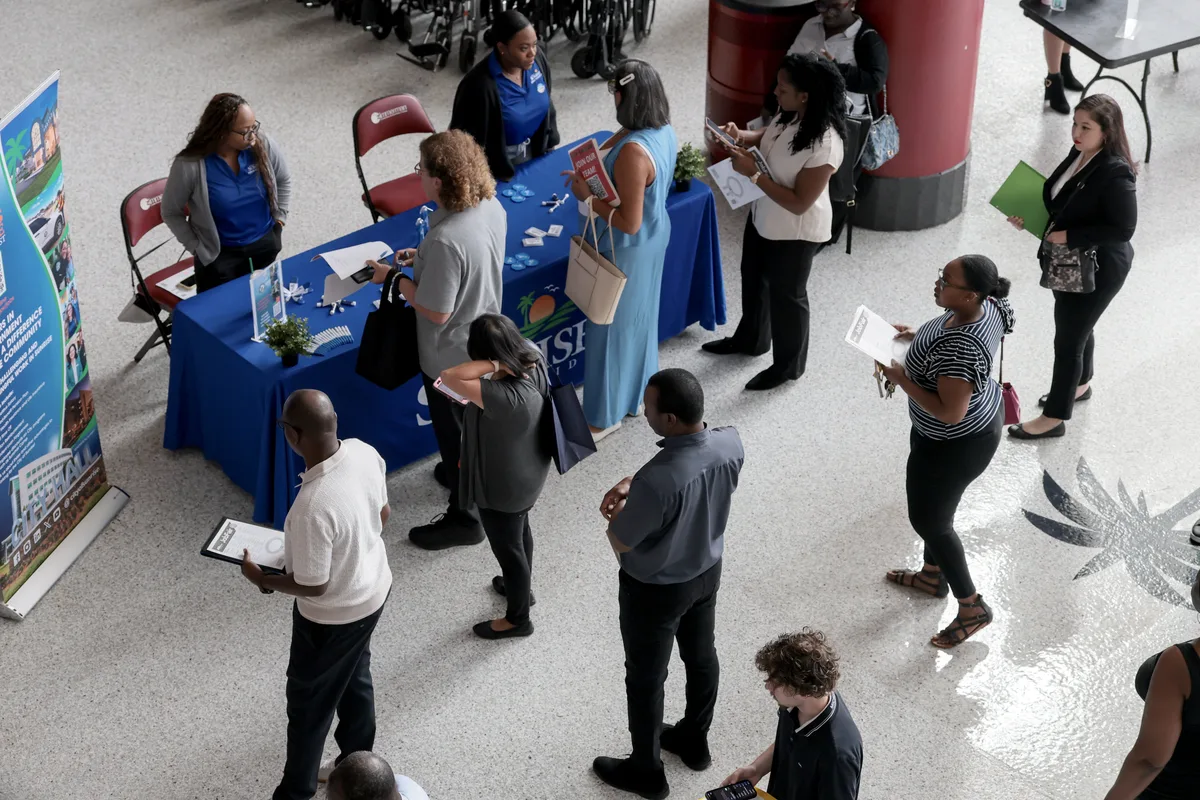
Don't let the falling unemployment rate fool you. When fewer people are actively looking for work, the rate drops automatically — and that's exactly what happened in the latest jobs report. The labor force participation rate just hit its lowest level in 50 years, outside of the pandemic era. That's not a recovery signal. That's a warning sign.
Here's what that number actually means for you: millions of working-age Americans have stopped trying. They're not employed, and they're not counted as unemployed either. They've simply opted out. When participation craters like this, it hollows out the consumer base, pressures long-term GDP growth, and signals deep frustration with available opportunities — not confidence in the economy.
Read more June Existing Home Sales Miss Hard at 4.09M Annual Rate →
For traders and investors, this is the kind of soft data point that changes the Fed calculus. A weaker labor market with declining participation gives the central bank more room to consider rate adjustments. But it also raises recession alarm bells. You can't have a consumption-driven economy running on all cylinders when a historically low share of adults are earning paychecks.
The broader jobs report was already described as downbeat before you factor in the participation collapse. That combination — weak headline numbers plus a shrinking workforce — is the kind of macro backdrop that should be on every investor's radar right now. The surface-level unemployment figure is doing cosmetic work on a fundamentally troubled labor market.
Continue reading at US Top News and Analysis