Minimum Wage Hikes Come With a Real Cost for Workers
Higher minimum wages sound like a win, but the economic tradeoffs are hitting workers and businesses harder than politicians admit.
California and other states keep pushing minimum wages higher, and the political optics are easy to understand. Who wants to vote against a raise? But the economics tell a more complicated story, and if you're trading retail or consumer-facing stocks, you need to pay attention.
Every time the wage floor jumps, businesses face a binary choice: absorb the hit to margins or pass costs along. Most do both. That means higher prices for consumers, leaner staffing on the floor, and accelerated investment in automation. The worker who keeps the job gets more per hour. The worker who loses the shift gets nothing.
Read more June Existing Home Sales Miss Hard at 4.09M Annual Rate →
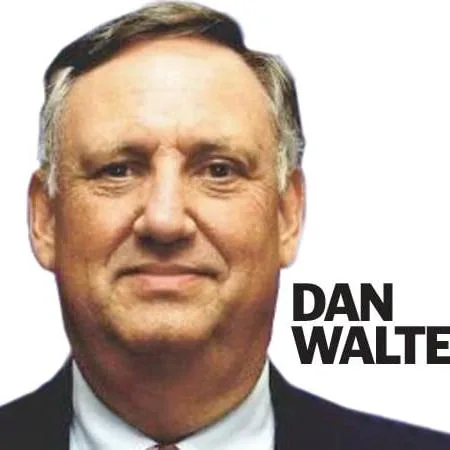
This is the tradeoff that Dan Walters examines in his column for the Davis Enterprise — the uncomfortable reality that well-intentioned wage policy carries genuine downside risk for the very people it aims to help. Small businesses operating on thin margins get squeezed fastest, and low-income communities often feel price increases most acutely.
For traders, the signal is clear. Sectors with high labor intensity and low pricing power — fast food, grocery, hospitality — face structural margin pressure every time a new wage floor kicks in. Watch for earnings commentary around labor costs. Companies that are ahead on automation will outperform those still absorbing the shock manually.
Wage policy isn't going to reverse. That ship has sailed in California. But smart money understands that policy with good intentions and policy with good outcomes aren't always the same thing. Continue reading at davisenterprise.