Nike, Starbucks and GM Are Losing China to Local Rivals
America's biggest brands are bleeding market share in China as homegrown competitors rise and geopolitics bite.
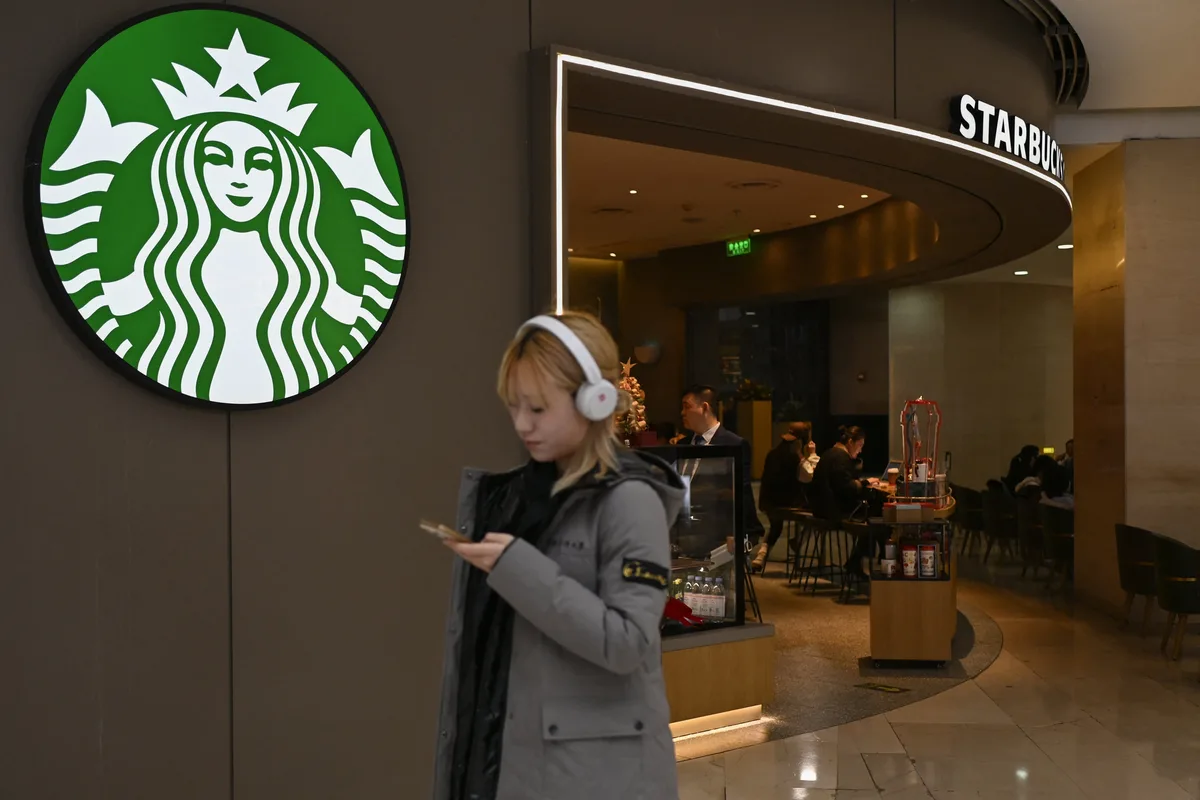
If you're holding stock in Nike, Starbucks, or General Motors, China is a problem you can't ignore. All three iconic American brands are losing ground in the world's second-largest economy — and the reasons go deeper than a trade-war headline.
Domestic Chinese rivals are the sharpest threat. Local brands have leveled up fast, offering comparable quality at lower prices while wrapping themselves in a wave of nationalist consumer sentiment. When a Chinese shopper can buy homegrown and feel patriotic doing it, American brands start looking like the expensive, foreign option — and not in a good way.
Read more Workers Split on Whether Juniors Should Use AI on the Job →
Geopolitics are piling on. US-China tensions have given Chinese consumers and corporations alike a quiet incentive to shop local. That's not a trend that reverses overnight. It's structural, and it could get worse before it gets better depending on how trade policy shakes out in Washington.
Changing consumer preferences are the third strike. Chinese consumers — especially younger ones — aren't as impressed by Western brand cachet as previous generations were. They want products built for their market, their tastes, and their digital ecosystem. A Starbucks loyalty app or a Nike sneaker collab that works in the US doesn't automatically translate to Shanghai.
For traders and investors, the takeaway is clear: China exposure is no longer a growth story for these legacy American names — it's a risk factor. Watch quarterly earnings calls closely for any downward guidance on China revenue. That's where the real signal will be. Continue reading at US Top News and Analysis.