Oil Spikes, Futures Slide as U.S.-Iran Tensions Escalate
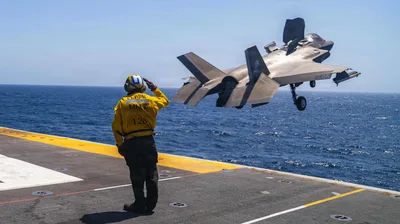
Weekend strikes near the Strait of Hormuz sent oil higher and rattled stock futures heading into Monday's open.
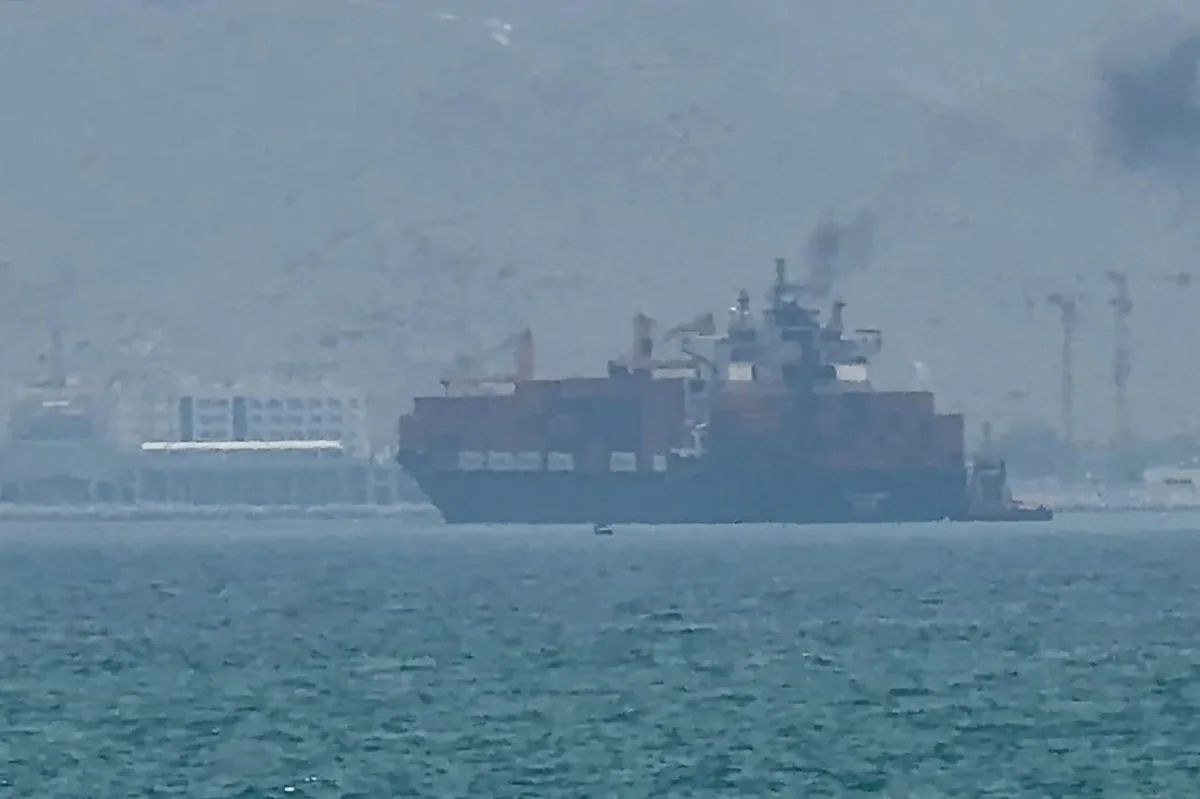
Markets are flashing a warning sign you can't ignore. Oil prices jumped and U.S. stock-index futures pulled back Sunday after fresh U.S.-Iran exchanges near the Strait of Hormuz rattled traders heading into the new week. When those two adversaries start trading blows near the world's most critical oil chokepoint, energy markets react fast — and they did.
The Strait of Hormuz is the pressure valve of global oil supply. A huge chunk of the world's seaborne crude flows through that narrow passage. Any credible threat to that corridor sends oil traders reaching for the buy button, and that's exactly what happened here. Rising oil prices aren't just an energy story — they bleed into inflation expectations, consumer spending, and corporate margins across every sector you own.
Read more Altman Calls Out Musk Over Space-Datacenter Hype as SPCX Slumps →
For equity traders, this is the kind of geopolitical headline that turns a quiet Monday open into a minefield. Futures dipping on a Sunday night is your earliest signal to reassess risk before the cash market opens. Defensive plays — think energy stocks, gold, and volatility hedges — tend to get a look when U.S.-Iran headlines drop. Cyclicals and growth names? Those face more headwinds when crude spikes.
The tit-for-tat pattern between Washington and Tehran isn't new, but each escalation resets the risk premium baked into oil. If this round of strikes cools off quickly, the spike could fade just as fast. But if it doesn't, you're looking at sustained pressure on energy costs and a market that stays on edge. Keep your position sizing tight and watch crude as your real-time geopolitical gauge this week.
Continue reading at MarketWatch.com