US and Iran Exchange Strikes Amid Hormuz Strait Standoff
The US and Iran traded missile and drone strikes as a dispute over the Strait of Hormuz escalated into open conflict.
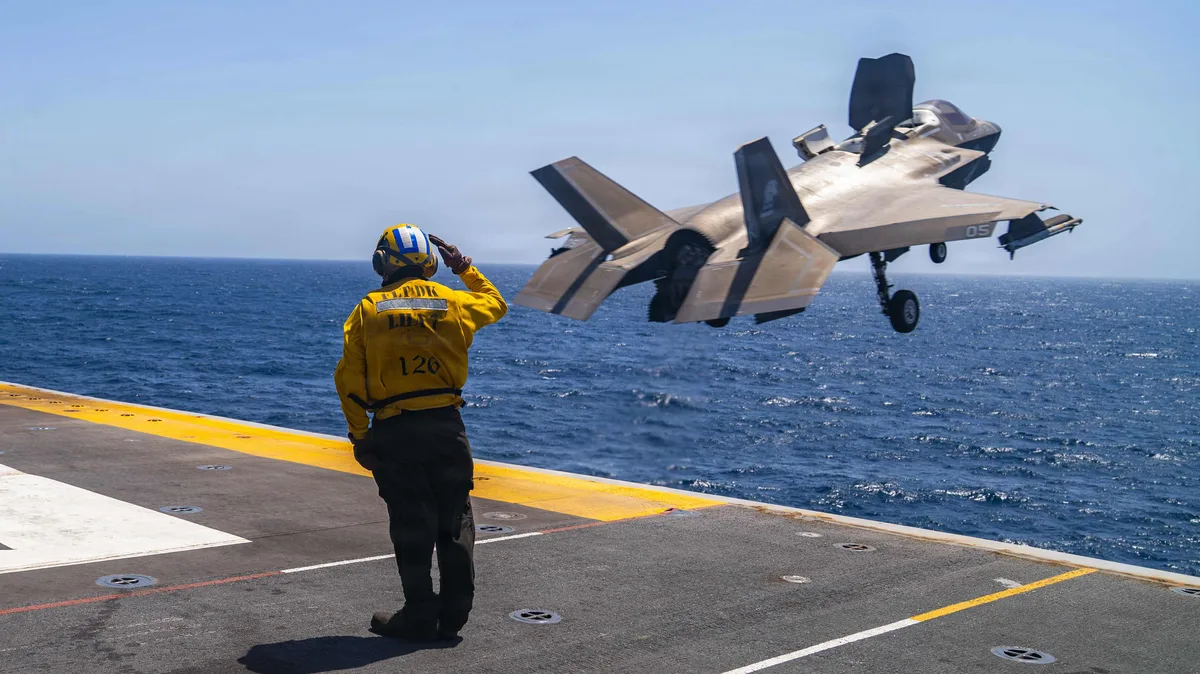
Markets, brace yourself. The US and Iran are trading missile and drone strikes, and the flashpoint is one of the most critical shipping lanes on the planet — the Strait of Hormuz. About 20% of the world's oil passes through that narrow chokepoint, and any serious disruption there hits energy prices fast and hard.
Both sides are making conflicting claims about what's actually happening, which means the fog of war is thick right now. That uncertainty alone is enough to spike oil futures and rattle risk assets. When you can't trust the headline, traders price in the worst case — and the worst case here is ugly.
Read more Altman Calls Out Musk Over Space-Datacenter Hype as SPCX Slumps →
The Strait of Hormuz isn't just a geopolitical flashpoint. It's a lever that can move crude, defense stocks, shipping rates, and safe-haven assets like gold and Treasuries simultaneously. If you're holding energy exposure or short volatility, this is not the moment to be complacent.
Conflicting claims from Washington and Tehran suggest neither side is ready to back down publicly, which historically extends the market disruption window. Watch for follow-on statements from Gulf states, OPEC responses, and any US Navy repositioning — those will be your real signal reads on how serious this escalation has become.
This story is moving fast and the details are still murky. Keep your position sizing tight and your stops tighter. Continue reading at US Top News and Analysis.