Oil Tankers Under Fire on Three Fronts: Red Sea to Black Sea
Attacks on commercial shipping are surging across key oil transit chokepoints, with 60+ ships hit since March 1.
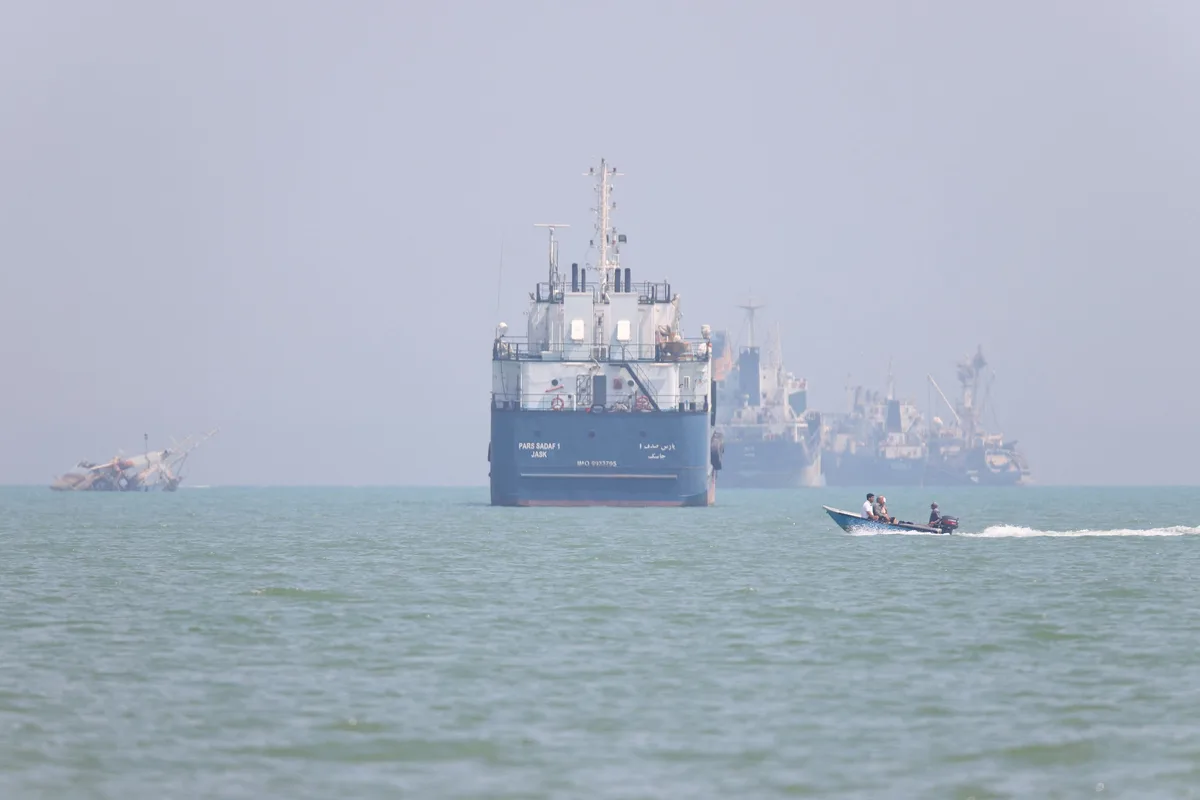
If you trade oil, energy stocks, or anything that moves on a ship, pay attention right now. Commercial vessels are getting hit from multiple directions simultaneously — the Red Sea, the Strait of Hormuz, and the Black Sea are all active conflict zones for maritime shipping. That's not a headline you see every day.
More than 60 commercial ships have been attacked in the Persian Gulf, Strait of Hormuz, and Gulf of Oman since March 1 alone. That's a staggering pace of escalation across some of the world's most critical energy corridors. The Strait of Hormuz alone handles roughly a fifth of global oil flow — any sustained disruption there is a direct supply shock to energy markets.
Read more Nasdaq Climbs as Amazon Surges, Apple Drags on Weak Outlook →
The multi-front nature of these attacks is what makes this situation different. Traders can hedge a single chokepoint. Three simultaneous pressure points on global shipping lanes is a different animal entirely. Freight rates, war-risk insurance premiums, and oil prices all have upside exposure here. If you're not watching tanker stocks and crude futures, you're behind the curve.
Geopolitical risk premiums have a habit of getting priced in slow — and then all at once. The longer these attacks continue, the more rerouting, delays, and supply uncertainty compound. That means tighter physical oil markets and potential knock-on effects across everything from jet fuel to plastics feedstocks.
This is a developing situation with serious tradeable implications across energy and shipping sectors. Continue reading at US Top News and Analysis.