Russia-China Ties: How Real Is the Threat to NATO?
The Russia-China alliance is raising alarms in Western capitals. Here's what it means for NATO's strategic posture.
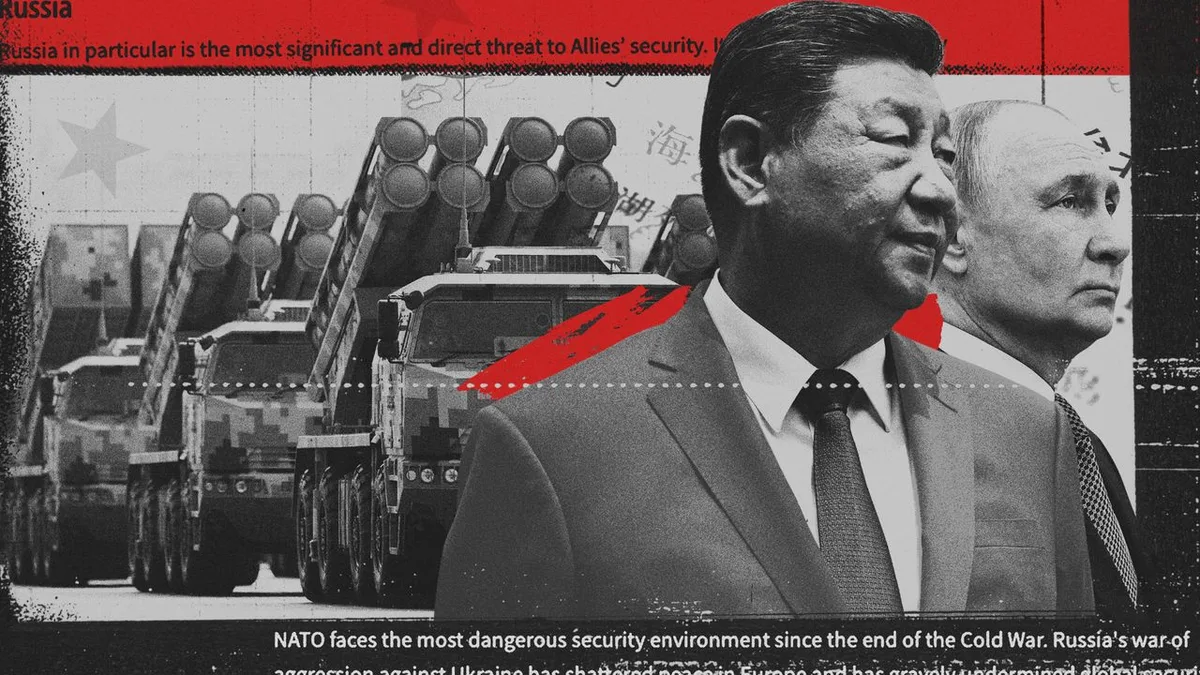
The growing partnership between Russia and China is forcing NATO planners to rethink decades of strategic assumptions. What was once dismissed as a marriage of convenience is looking increasingly like a coordinated challenge to the Western-led security order — and that shift has real consequences for markets, defense spending, and geopolitical risk pricing.
The core concern is simple: NATO was built to counter one major threat at a time. A synchronized Russia-China axis stretches that framework to its limits. Moscow applies pressure in Europe while Beijing watches — and learns — in the Pacific. Whether that coordination is formal or tacit, the effect on Western defense resources is the same: you're fighting a two-front economic and military chess match.
Read more Michigan Supreme Court Passes on Stalled Bills Ruling →
For traders and investors, this dynamic is already showing up in the numbers. European defense stocks have been on a sustained run, and that trend has fundamental legs as long as the Russia-China entente holds. NATO members are under mounting pressure to hit — and exceed — the 2% GDP defense spending target. That's government money flowing into a finite pool of contractors and suppliers.
The strategic question that keeps analysts up at night is whether Russia and China share genuinely aligned interests or are simply exploiting the same moment of Western distraction. History suggests these two powers have deep mutual suspicions. But in the short to medium term, shared opposition to US-led institutions is glue enough to make the partnership dangerous and durable.
The implications for NATO cohesion are just as significant as the military math. Member states disagree on how to prioritize the Russian threat versus the Chinese one, and that fault line is a vulnerability in itself. Continue reading at theweek.