SoCal Train Station May Preview the Future of AC Tech
A Southern California train station is testing next-gen air conditioning that could reshape how buildings stay cool.
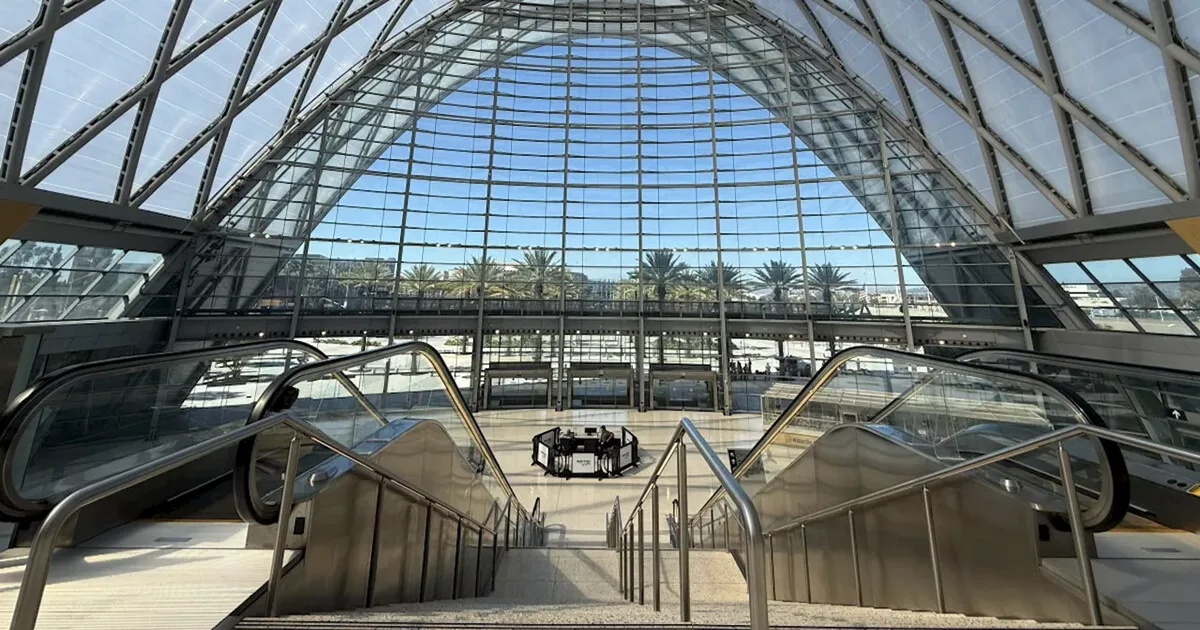
A Southern California train station is quietly running what could be one of the most important climate-tech experiments in the country right now. The cooling system being tested there isn't your standard HVAC setup — it's a look at where air conditioning technology is heading as heat waves intensify and energy grids strain under demand.
This matters beyond comfort. Air conditioning is one of the biggest energy draws in the US, and the pressure to make it more efficient is only growing. If the tech being piloted at this SoCal station actually scales, it could change how developers, city planners, and building operators think about cooling infrastructure from the ground up.
Read more AI Race Pivots From Raw Power to Cost-Efficient Smart Models →
For retail traders and investors, that's worth paying attention to. Next-gen cooling is sitting at the intersection of climate adaptation, energy efficiency, and infrastructure spending — all sectors drawing serious capital right now. Any company tied to advanced HVAC, thermal management, or grid-friendly cooling systems is in a space with real tailwinds.
The fact that a transit hub — a high-traffic, high-heat environment — is the test bed is significant. These aren't controlled lab conditions. If the system holds up in a busy public space in Southern California's brutal summer heat, that's a meaningful proof of concept that could accelerate adoption across commercial real estate and public infrastructure.
Continue reading at headtopics (laist) for the full breakdown of the technology and what it means for the region's energy future.