Trump: Iran Seeks Talks as U.S. Strikes Continue in Middle East
Trump says Iran wants to meet even as U.S. airstrikes escalate. Analysts warn the conflict could spiral into a prolonged 'forever war.'
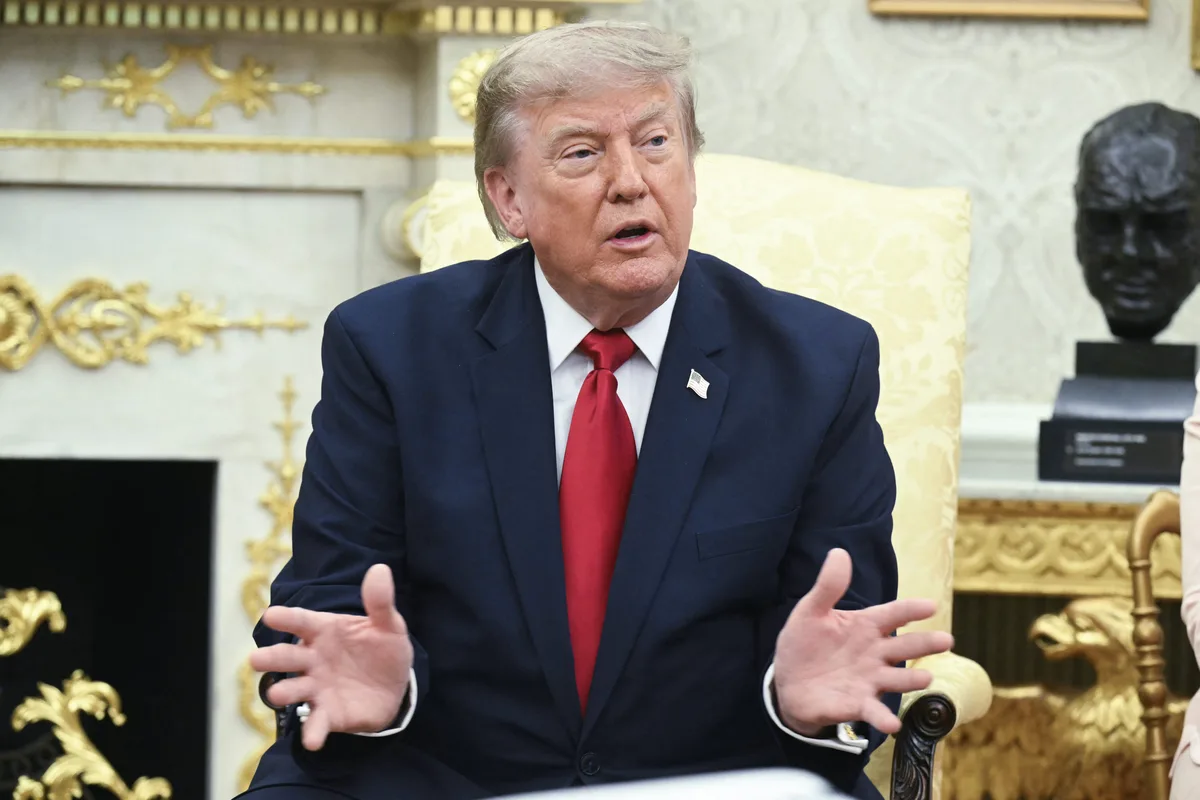
The Middle East just got hotter. President Trump confirmed that Iran has signaled it wants to meet with U.S. officials — but that olive branch is dangling over a battlefield, with American strikes still actively hitting targets in the region.
Trump made clear the pressure isn't letting up. If Iran doesn't cooperate, he warned, things could escalate well beyond what we're already seeing. That's not a bluff you can afford to ignore if you're trading energy or defense names right now.
Read more Trump Backs Warsh for Fed Chair, Pushes Hard for Rate Cuts →
Analysts are sounding the alarm on something scarier than a short-term flareup: a 'forever war' scenario. That's the kind of open-ended conflict that reshapes oil supply chains, rattles emerging markets, and keeps a geopolitical risk premium baked into every barrel of crude for years.
The dual track — diplomacy on one hand, airstrikes on the other — is a classic pressure play. But it's a razor-thin margin for error. One miscalculation from Tehran, and the de-escalation window slams shut fast. Watch the oil market and defense sector for real-time signals on how traders are pricing this risk.
Continue reading at US Top News and Analysis